That is why handbag maintenance matters. Good care is not complicated, but it does need consistency. A few simple habits can help a handbag stay cleaner, hold its shape better, and last much longer. And if you work with different materials such as leather, canvas, nylon, or coated fabrics, the right maintenance method can also prevent damage caused by cleaning the bag the wrong way.
In this guide, we will go through practical handbag care tips in a realistic way, without making it sound harder than it is. We will look at daily habits, cleaning methods, storage tips, common mistakes, and material-specific care advice so you can keep your bag in better condition for longer.
If you are comparing different handbag or pouch materials before production or sourcing, you can also browse Q&N Bags’ product collection or visit the custom service page to see how different materials, linings, zippers, and structures are used across bag styles.
Why Handbag Maintenance Matters
People often focus on buying the right handbag, but not enough attention is given to maintaining it after use. In reality, even a well-made bag can start looking old quickly if it is handled carelessly.
Regular maintenance helps with several things at the same time:
- It keeps the shape of the bag more stable
- It reduces visible wear on the surface and corners
- It helps prevent stains from setting in permanently
- It protects hardware, zippers, and handles from early damage
- It extends the practical life of the handbag
There is also a cost difference in the long run. Replacing a bag because of preventable damage is usually more expensive than spending a few minutes each week keeping it clean and stored properly.
Know Your Handbag Material First
Before cleaning or maintaining any handbag, the first thing to check is the material. This matters because what works for nylon may damage leather, and what is safe for canvas may not be right for coated or structured surfaces.
Some of the most common handbag materials include:
- Leather or PU leather: often smoother, more structured, and more sensitive to moisture and heat
- Fabric or canvas: practical and durable, but more likely to absorb dirt and stains
- Nylon or polyester: lightweight, easy to wipe, and often better for daily use or travel
- Water-resistant or coated materials: easier to clean, but still need correct handling to avoid cracking or surface wear
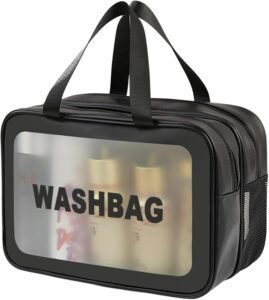
For example, on qnbags.com, you can see bag styles that use wipe-clean or water-resistant materials, such as PU leather toiletry bags and water-resistant polyester toiletry bags. These materials do not age in exactly the same way, so the maintenance method should not be identical either.
Daily Habits to Keep Your Handbag in Good Condition
Most handbag maintenance is not about deep cleaning. It starts with daily habits. These habits sound simple, but they make a real difference over time.
- Do not overload the bag. Too much weight can stretch handles, distort the base, and strain the zipper.
- Keep sharp items separate. Keys, pens, metal tools, and beauty accessories can scratch the lining or outer surface.
- Wipe small marks early. Fresh stains are always easier to remove than older ones.
- Do not place the bag on rough or dirty floors. Bottom corners wear out faster than most people expect.
- Empty it regularly. Old receipts, crumbs, leaking minis, and forgotten makeup products can create odor and staining inside.
One common difference between bags that age well and bags that age badly is not price. It is how they are used every day.
How to Clean a Handbag Properly
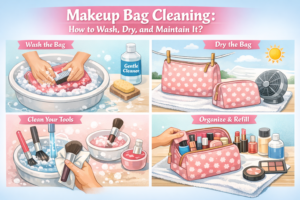
Cleaning should always be gentle first. People often damage bags by scrubbing too hard, using strong household cleaners, or soaking the material when only a light surface clean was needed.
Here is a safer approach:
- Empty the handbag completely. Remove all items, including small loose items from inner pockets.
- Shake out dust and debris. Turn the lining out gently if possible, or use a soft dry cloth.
- Use a soft cloth with mild soap and water. Wipe the surface lightly instead of soaking it.
- Test first on a small hidden area. This is especially important for leather, coated materials, or darker fabrics.
- Dry naturally. Do not use direct heat such as a hair dryer or heater.
If the bag has a structured form, avoid getting it too wet. Over-wetting can affect both the outer material and the internal support that helps the handbag keep its shape.
How to Store a Handbag the Right Way
Storage is one of the most overlooked parts of handbag maintenance. A clean bag can still become misshapen, faded, or creased if it is stored badly.
Good handbag storage usually means:
- Keeping the bag in a cool, dry place
- Stuffing the inside lightly with clean paper or soft filler to help keep its shape
- Storing it upright when possible
- Using a dust bag or clean fabric cover
- Avoiding plastic bags for long-term storage, especially for leather-like materials
A handbag left folded under other items for months will usually show flattening, creasing, and corner pressure. A bag stored with some structure support will generally look better for much longer.
How to Protect a Handbag from Stains, Moisture, and Sunlight
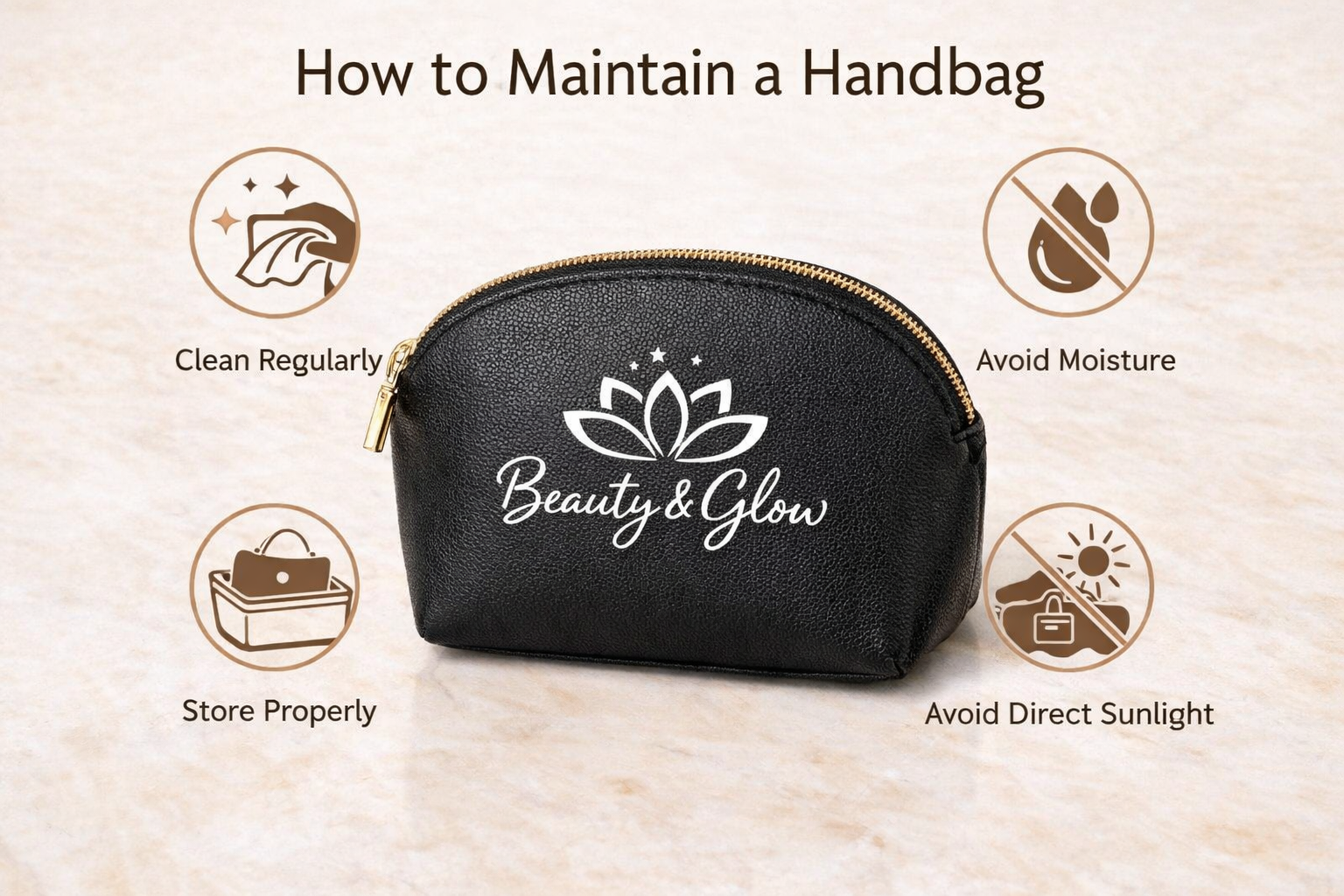
Most visible handbag damage comes from three things: stains, moisture, and prolonged sun exposure.
For stains: clean spills as soon as possible. Makeup, hand cream, perfume, and lipstick are especially common causes of bag staining.
For moisture: do not leave the bag damp after cleaning or after being caught in the rain. Let it air dry in a shaded, ventilated area.
For sunlight: avoid leaving the handbag near windows, in cars, or under direct strong sun for long periods. Sun exposure can fade fabric, dry out leather-like materials, and make some surfaces look uneven over time.
This is where material choice also matters. A nylon or water-resistant bag may be more forgiving for travel and everyday use, while leather-style bags usually need more careful handling.
Tips for Maintaining Leather Handbags
Leather handbags, including PU leather styles, often need a little more care than fabric or nylon bags. They can look polished and structured, but they also show neglect more quickly.
Helpful habits for leather handbags include:
- Wipe with a soft dry or slightly damp cloth
- Avoid soaking the surface
- Keep away from strong heat and prolonged sunlight
- Store stuffed so the shape stays neat
- Do not overload the bag, especially if it has a structured base or side panels
If the leather-style surface is marketed as easy wipe clean, like many PU-based travel or toiletry styles, that helps with daily maintenance. But easy wipe clean does not mean no care is needed. Repeated friction, oils from hands, and improper storage still affect the finish over time.
Tips for Maintaining Fabric and Canvas Handbags
Fabric and canvas handbags are practical, but they tend to collect dust and absorb stains more easily than smoother coated materials.
To maintain them well:
- Brush off dust regularly
- Spot clean instead of soaking the whole bag unless the care method clearly allows it
- Keep cosmetics, pens, and liquids in pouches inside the bag
- Do not rub stains aggressively, especially on lighter colors
- Make sure the bag is fully dry before storing
Fabric bags often look casual and durable, but they usually show daily dirt faster than people expect. The difference between a fabric bag that still looks fresh after months and one that looks tired is usually regular light cleaning, not occasional heavy cleaning.
Tips for Maintaining Nylon and Waterproof Handbags
Nylon, polyester, and water-resistant handbags are usually easier to maintain, which is one reason they remain popular for travel, beauty, and everyday use.
They are often a good match for users who want something lightweight, practical, and easy to wipe down. For example, qnbags.com shows travel and toiletry styles in polyester and water-resistant constructions that are made for repeated use and easier daily cleaning.
For these bags:
- Wipe the surface regularly with a soft damp cloth
- Do not let spills sit inside the bag for too long
- Clean mesh pockets and inner corners where residue collects
- Let the bag dry fully after travel or bathroom use
- Avoid folding coated panels too sharply if the material has structure
Compared with fabric canvas or leather-style bags, nylon and waterproof materials are often more forgiving. That is why they are commonly chosen for travel makeup bags, toiletry bags, and multi-use organizers.
How to Care for Handbag Hardware and Zippers
Hardware is a small detail until it starts causing problems. Tarnished metal parts, loose pullers, or stuck zippers can make a handbag feel much older than it really is.
To help maintain handbag hardware:
- Keep metal parts dry when possible
- Wipe off fingerprints, lotion, and moisture
- Do not pull zippers too hard when the bag is overpacked
- Check if fabric or lining is caught before forcing the zipper
- Store bags so heavy chains or hardware are not pressing into the body of the bag
Zippers usually fail early because of overfilling, not because the zipper itself is weak. A bag that closes easily will usually last longer than one that is constantly packed beyond its intended shape.
Common Handbag Maintenance Mistakes to Avoid
Many maintenance problems come from good intentions but the wrong method. Some of the most common mistakes include:
- Using harsh cleaners or alcohol-based products without testing first
- Scrubbing stains too aggressively
- Storing the bag while it is still damp
- Leaving the bag in direct sun or inside a hot car
- Hanging heavy bags for long periods, which can distort handles
- Ignoring the inside lining while only cleaning the outside
A handbag often starts looking worn from a combination of small mistakes, not one dramatic problem.
When to Repair Instead of Replace a Handbag
Not every damaged handbag needs to be replaced. In many cases, repair is the more practical choice, especially if the structure is still good.
Repair usually makes sense when:
- The zipper needs replacement but the bag body is still in good condition
- Hardware is loose but the material is not badly damaged
- Corner wear is minor and can be reinforced early
- A handle stitch line has opened slightly but has not fully failed
Replacement becomes more reasonable when the material itself is breaking down, the structure has collapsed badly, or the damage affects several areas at once.
A useful rule is this: if the core body of the bag is still strong, repair is often worth considering. If the material has already become weak overall, repair may only be temporary.
Simple Ways to Extend the Life of Your Handbag
If you want the practical version of handbag maintenance, these habits matter most:
- Rotate bags instead of using one bag every single day
- Keep liquids and makeup inside smaller pouches
- Clean light marks early
- Store the bag with shape support
- Keep it away from heavy moisture and heat
- Do not force the zipper or overload the structure
Even simple bag categories such as cosmetic bags, travel pouches, and tote-style organizers last longer when the design matches the use case. If you are choosing by function, the guide on how to choose the right travel cosmetic bag is also a useful reference, especially for comparing size, compartments, and easy-clean materials.
Material Comparison for Handbag Maintenance
| Material | Maintenance Difficulty | Main Advantage | Main Watch-Out |
|---|---|---|---|
| Leather / PU Leather | Medium | Structured, polished look | Sensitive to heat, moisture, and surface rubbing |
| Fabric / Canvas | Medium to High | Durable and versatile | Absorbs dust and stains more easily |
| Nylon / Polyester | Low | Lightweight and easy to wipe clean | Can still hold odor or residue if not cleaned inside |
| Waterproof / Coated Material | Low to Medium | Practical for travel and beauty use | Should not be sharply folded or overheated |
Conclusion
Handbag maintenance does not need to be complicated, but it does need to be consistent. A handbag usually stays in good condition because of small repeated habits: using it properly, cleaning it gently, storing it well, and matching the care method to the material.
Leather-style bags need more attention to shape and surface care. Fabric and canvas bags need more stain awareness. Nylon and waterproof bags are generally easier to live with, but they still benefit from regular cleaning and proper drying.
In the end, maintaining a handbag well is less about doing something special once in a while and more about avoiding the everyday habits that wear it out too quickly.
If you are sourcing handbag, pouch, cosmetic bag, or toiletry bag styles with a focus on practical materials and long-term usability, you can explore Q&N Bags, browse the blog, or view the product range for more material and construction references.
FAQs About Handbag Maintenance
How often should I clean a handbag?
Light surface cleaning can be done weekly or as needed, while a more thorough clean is usually helpful every few weeks depending on how often the bag is used.
Can I wash a handbag with water?
Some handbags can be wiped with mild soap and water, but soaking is not ideal for many structured, leather-like, or coated bags. Always test first on a small hidden area.
What is the best way to store a handbag?
Store it in a cool, dry place, lightly stuffed to keep its shape, and covered with a dust bag or soft fabric cover.
How do I stop my handbag from losing shape?
Avoid overloading it, store it upright when possible, and place soft filling inside when not in use.
Are nylon handbags easier to maintain than leather handbags?
In most cases, yes. Nylon handbags are usually easier to wipe clean and more forgiving for daily use, while leather-style bags often need more careful storage and surface care.
Aries Gu is the founder of Q&N. With over 17 years of experience in cosmetic bag OEM/ODM source factory. He focuses on quality control, efficient communication, and on-time delivery for global cosmetic bag projects.