Imagine a beauty brand launching a new product line but struggling to find packaging solutions that align with their unique branding and sustainability goals. This challenge is common in the beauty and personal care industry, where customization, affordability, and eco-conscious materials are increasingly in demand. For businesses looking to stand out, sourcing wholesale cosmetic bags tailored to their needs is no longer an option but a necessity.
Why Wholesale Cosmetic Bags Are a Strategic Choice
With the global rise in beauty and personal care spending, projected to reach $716 billion by the end of 2025 (Statista, 2023), the demand for high-quality, branded packaging has surged. Wholesale cosmetic bags offer an ideal solution, combining cost-effectiveness with the flexibility of personalized designs. Whether you’re a beauty startup, a promotional gift supplier, or a retail chain, bulk orders can ensure consistent quality while optimizing budgets.
Industry data from McKinsey reveals that over 43% of consumers prefer brands that prioritize sustainable packaging. This trend is driving innovation in materials, with options like recycled PET, organic cotton, and plant-based vegan leather increasingly favored by manufacturers and suppliers.
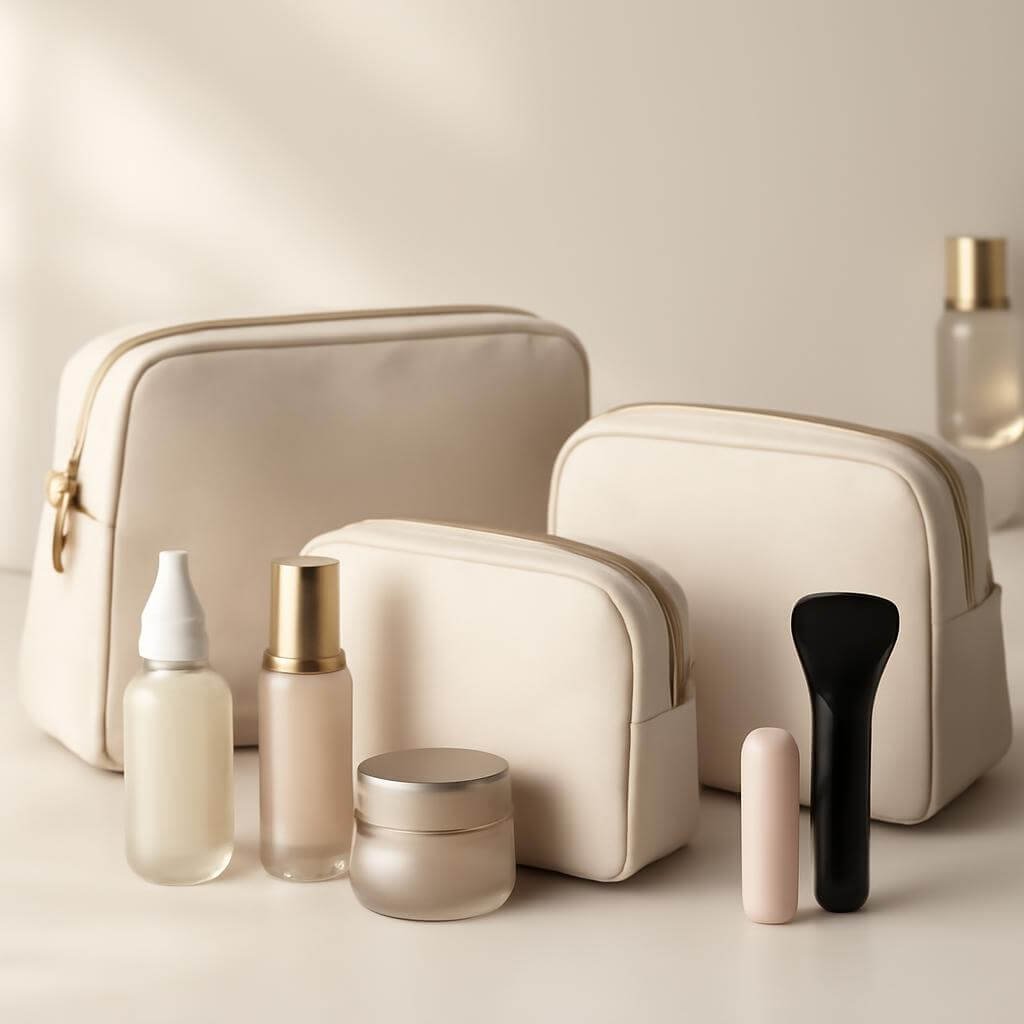
Custom Solutions Backed by Expert Insights
The wholesale cosmetic bag industry is no longer limited to generic designs or materials. Experts highlight the importance of customization to meet the diverse needs of B2B clients. “Brands today are seeking packaging that not only protects their products but also tells a story,” notes Dr. Emily Chen, a packaging sustainability consultant. “Materials like recycled fibers and vegan leather are redefining what ‘luxury’ means in the beauty sector.”
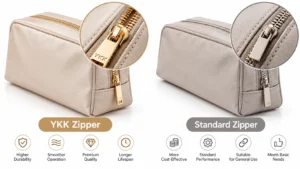
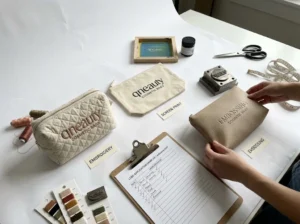
At 7STAR, we’ve observed that custom cosmetic bags with low minimum order quantities (MOQs) starting at 500 units have been instrumental for startups and boutique brands. Our clients frequently request features such as water-resistant linings, eco-friendly zippers, and unique finishing touches like embroidery or foil stamping.
Popular categories include:
- Travel Makeup Bags: Compact, durable designs for frequent travelers.
- Canvas Cosmetic Bags: Versatile, printable, and perfect for promotional events.
- Luxury Vegan Leather Bags: High-end look and feel with sustainable credentials.
Industry Standards & Best Practices
Ensuring compliance with global regulatory standards is critical when sourcing wholesale cosmetic bags. Reputable manufacturers like 7STAR adhere to certifications such as GMP (Good Manufacturing Practices), ISO 22716, and CPNP (Cosmetic Products Notification Portal) for EU-specific requirements. These certifications not only ensure product safety but also demonstrate a commitment to quality and sustainability.
When evaluating suppliers, consider the following best practices:
- Material Transparency: Ensure the supplier provides detailed information on materials used, especially for eco-friendly options.
- Customization Capabilities: Look for manufacturers who offer a wide range of customization, from size and material to color and branding.
- Production Timelines: Verify lead times to align with your project deadlines.
How to Implement Wholesale Cosmetic Bag Solutions
For businesses ready to integrate wholesale cosmetic bags into their operations, success starts with clear objectives. Define your target audience, branding goals, and sustainability requirements before reaching out to suppliers. At 7STAR, we guide clients through every step, from material selection to final packaging, ensuring a seamless experience.
Here’s a practical example:
- Scenario: A wellness brand launching a holiday gift set needed eco-friendly travel pouches with custom embroidery.
- Solution: We provided organic cotton bags with water-based ink printing, meeting their MOQ of 500 units within a 4-week timeline.
- Result: The brand reported a 25% increase in gift set sales compared to the previous year.
Future Outlook & Strategic Recommendations
As the market for sustainable packaging continues to grow, businesses that invest in eco-friendly and customizable wholesale cosmetic bags will be better positioned to meet consumer expectations. Projections by Euromonitor suggest a 12% annual growth in demand for recyclable and biodegradable packaging through 2027.
For businesses ready to enhance their packaging strategies, partnering with experienced manufacturers like 7STAR provides a competitive edge. Backed by 10+ years of experience and a portfolio of 5000+ formulations, our team ensures that every client receives tailored solutions that align with their brand values and market goals.
Frequently Asked Questions
What are the benefits of ordering wholesale cosmetic bags in bulk?
Ordering wholesale cosmetic bags in bulk offers significant cost savings, consistent quality, and the ability to customize designs to fit your brand. For instance, bulk orders allow you to choose sustainable materials like recycled PET or vegan leather, which appeal to eco-conscious consumers. Additionally, working with experienced manufacturers ensures that even large orders meet high-quality standards. For businesses looking to scale, this approach is both practical and efficient.
Who are the best manufacturers of cosmetic bags for wholesale?
The best manufacturers for wholesale cosmetic bags are those who offer a wide range of customization options, adhere to global quality standards like GMP and ISO, and provide transparent pricing with low MOQs. 7STAR, for example, specializes in eco-friendly solutions and serves 500+ global clients with a focus on quality and sustainability. Their expertise in custom designs ensures brands of all sizes can find packaging that aligns with their needs.
Do wholesale cosmetic bags come with eco-friendly options?
Yes, many manufacturers now offer eco-friendly wholesale cosmetic bags made from materials such as organic cotton, recycled PET, and plant-based vegan leather. These options are not only sustainable but also highly durable and stylish. Choosing eco-friendly bags can improve your brand’s image and appeal to environmentally conscious consumers.
What is the typical MOQ for custom wholesale cosmetic bags?
The minimum order quantity (MOQ) for custom wholesale cosmetic bags varies by supplier but often starts at 500 units. At 7STAR, we cater to both small and large businesses by offering low MOQs without compromising on quality or customization options. This flexibility is ideal for startups and boutique brands.
How do I design a personalized cosmetic bag for wholesale?
Designing a personalized cosmetic bag involves collaborating with a supplier to select materials, sizes, colors, and branding elements like logos or embroidery. Start by identifying your target audience and brand aesthetic, then work with a manufacturer like 7STAR to bring your vision to life. Their team provides guidance on materials and finishes to ensure the final product meets your expectations.
Are there affordable options for wholesale cosmetic bags?
Yes, affordable options for wholesale cosmetic bags are available, especially if you work directly with manufacturers who offer factory-direct pricing. Materials like canvas or recycled PET can provide cost-effective yet high-quality solutions. For businesses seeking budget-friendly options, partnering with trusted suppliers like 7STAR ensures you get the best value for your investment.
Aries Gu is the founder of Q&N. With over 17 years of experience in cosmetic bag OEM/ODM source factory. He focuses on quality control, efficient communication, and on-time delivery for global cosmetic bag projects.