Build a transparent toiletry bag supplier shortlist in 90 minutes. Compare PVC/TPU/EVA and sewn vs RF welded construction, verify BSCI/GRS/ISO9001, and use a 5-point virtual factory audit checklist. Includes a copy/paste RFQ template and bulk-consistency checkpoints.
Primary Keywords: transparent toiletry bag manufacturer, clear PVC TPU toiletry bag OEM
How to Source Transparent Toiletry Bags: Factory Audit Checklist + RFQ Template (2026 B2B Guide)
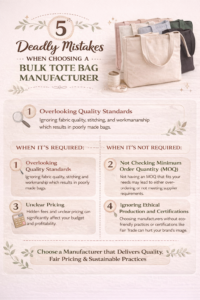
Transparent toiletry bags look simple—clear film, a zipper, and binding. In B2B production, they’re often the easiest category to “sample well but fail in bulk,” because clear surfaces magnify every defect: scuffs, haze inconsistency, film thickness variation, zipper misalignment, corner cracking, and logos that rub off.
This guide skips generic “top suppliers lists” and gives you a repeatable system:
spec → shortlist by material & construction → virtual factory audit → certification verification → RFQ template → bulk consistency checks.
Why clear-bag programs fail in bulk
Most bulk issues come from:
- film thickness tolerance & batch consistency
- construction strength (zipper alignment, binding/welded corners)
- scratch protection in packing (clear surfaces show scuffs immediately)
Step 1: Write a quote-ready spec (before you contact suppliers)
Define:
- use case (travel / promo / retail set)
- load (bottles? heavier items?)
- lifecycle (one-off promo vs long-term use)
- target market (EU/US/UK compliance discussions)
Step 2: Material & construction decisions (PVC/TPU/EVA; sewn vs RF welded)
PVC vs TPU vs EVA
- PVC: cost-effective and clear; confirm thickness tolerance, odor control, anti-yellowing
- TPU: softer, more premium feel; usually higher cost
- EVA: lighter; often used for frosted/translucent looks
Sewn vs RF welded (heat-sealed)
- Sewn: stronger for heavier loads and complex structures
- RF welded / heat-sealed: cleaner look and potentially better water resistance, but depends heavily on film grade + welding stability
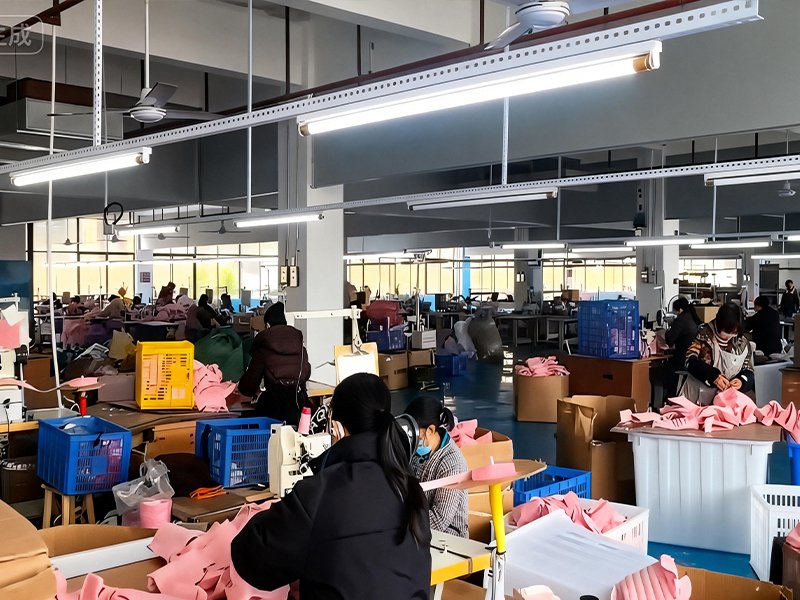
Step 3: 5-point virtual factory audit checklist (video-ready)
Ask suppliers to show these on a live video call:
- Raw material warehouse (clear labeling, separated certified materials)
- Production line (clean, stable workflow, safe exits)
- QC lab (zipper cycle, pull-strength, color fastness basics)
- Sample room (problem-solving ability, not only copying)
- Communication response (fast, clear, verifiable answers)
Step 4: Certifications—how to verify + red flags
- BSCI: social compliance
- GRS: recycled traceability
- ISO 9001: quality system consistency
Red flags: refusing to share verifiable documents, only sending blurred screenshots, or refusing to show key processes on video.
Bonus: willingness to accept third-party audits/inspections (e.g., SGS, Intertek).
Step 5: Copy/paste RFQ template (transparent toiletry bags)
[Transparent Toiletry Bag RFQ]
- Material & thickness: PVC/TPU/EVA, thickness range, anti-yellowing requirement
- Finish: crystal clear / frosted / tinted / holographic
- Construction: sewn vs RF welded; binding type; handle/strap specs
- Size & compartments: dimensions, pockets, dividers
- Zipper: nylon/resin/metal; slider type; double zipper? smoothness standard
- Logo: screen print / UV / heat transfer / patch; request rub-resistance recommendation
- Bulk consistency: thickness tolerance, corner strength, zipper alignment, binding/weld strength
- Packing: scratch protection (protective film/individual bag/dividers)
- Target market compliance: EU/US/UK; recommended test items
- Timeline: sample lead time, bulk lead time, MOQ, third-party inspection support
Step 6: Bulk-consistency inspection checklist (clear bags)
- film thickness tolerance + hand-feel consistency
- zipper durability + smoothness
- corner strength (binding/welding)
- logo rub resistance
- scratch-protection packing execution
Sample faster and de-risk earlier
- sample the same design in PVC vs TPU (change only the film)
- use one acceptance checklist: thickness, zipper cycles, corner strength, logo rub, scratch packing
- run a video audit using the 5-point checklist
FAQ
Q1: Should I choose PVC or TPU for clear toiletry bags?
A: PVC fits volume and cost-sensitive programs. TPU fits premium and long-term use.
Q2: Sewn or RF welded—which is more durable?
A: Sewn is usually stronger for heavier loads. RF welded looks cleaner but relies on film grade and welding stability—define corner/weld strength requirements.
Q3: What are the most common bulk issues?
A: Thickness variation, haze inconsistency, zipper problems, corner cracking, scratches, and weak logo rub resistance.
Q4: How can I verify certifications quickly?
A: Ask for verifiable documents and live video proof of key processes. Blurred screenshots or refusals are red flags.
Q5: What’s the most overlooked RFQ item?
A: Scratch-protection packing for clear surfaces—it directly impacts arrival condition and complaints.
Aries Gu is the founder of Q&N. With over 17 years of experience in cosmetic bag OEM/ODM source factory. He focuses on quality control, efficient communication, and on-time delivery for global cosmetic bag projects.