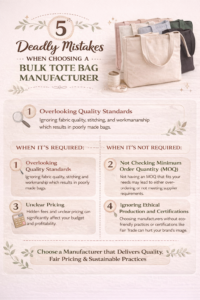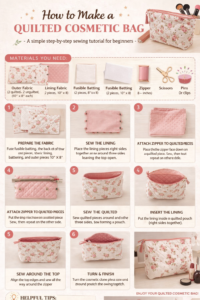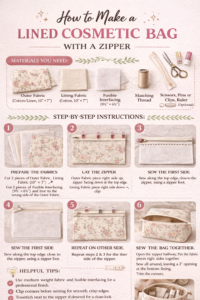
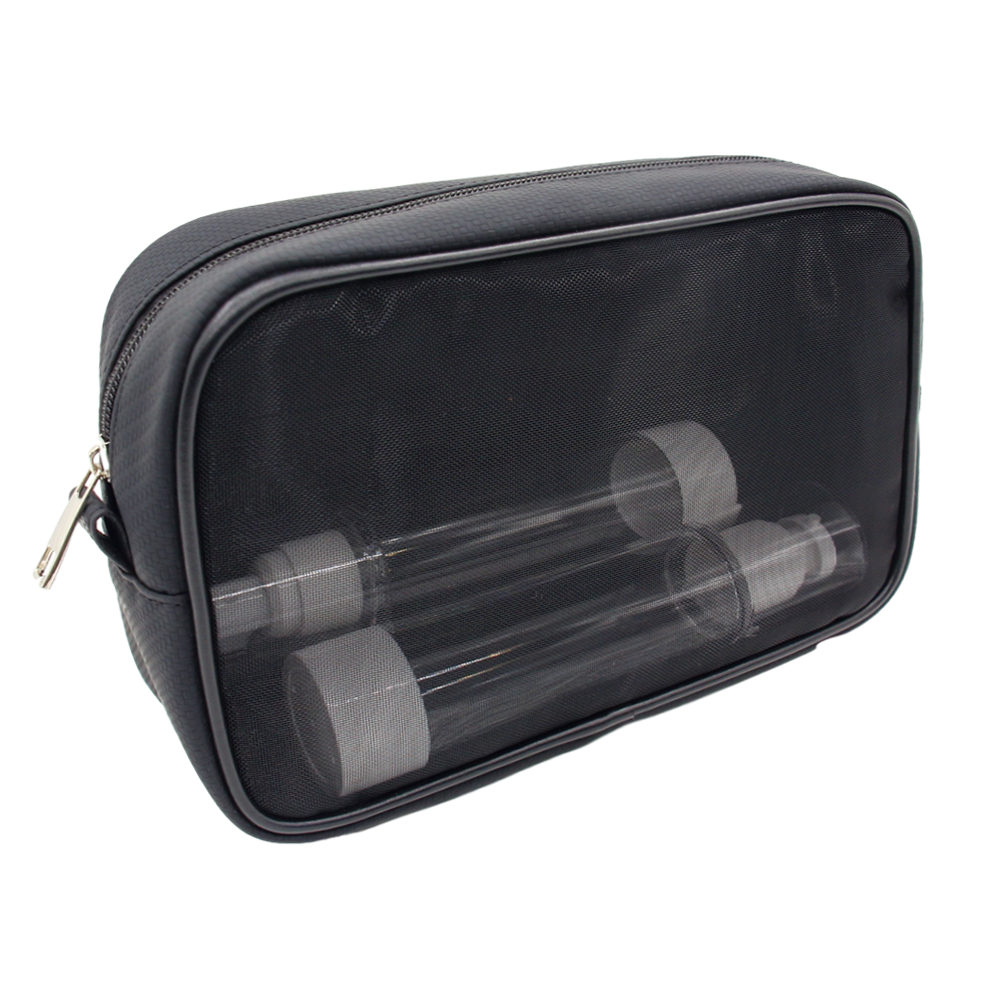
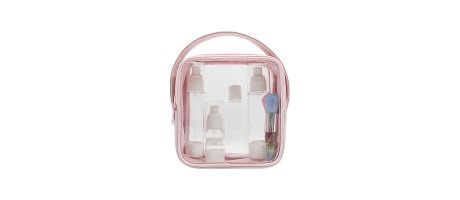
Transparent toiletry bags (clear/transparent wash bags) look simple—clear film + zipper + binding. In real B2B production, they’re one of the easiest categories to sample well but fail in bulk, because clear surfaces magnify every defect: scuffs, haze inconsistency, film thickness variation, zipper misalignment, corner cracking, and logos that rub off.
Quick Navigation
- Why Clear Bag Programs Fail in Bulk
- Step 1: Write a Quote-Ready Spec
- Step 2: Materials & Construction Decisions (PVC/TPU/EVA; Sewn vs RF Welded)
- Step 3: 5-Point Virtual Factory Audit Checklist
- Step 4: Certifications & Compliance (BSCI/GRS/ISO9001) + Red Flags
- Step 5: Copy/Paste RFQ Template
- Step 6: Bulk Consistency Inspection Checklist (Clear Bags)
- CTA: Sample Faster, De-Risk Earlier
- FAQ
Why Clear Bag Programs Fail in Bulk
Clear/transparent bag programs usually fail in bulk for three reasons:
- Film thickness tolerance & batch consistency (hand-feel and shape change immediately)
- Construction strength (zipper alignment, binding or welded corner strength)
- Scratch protection in packing (clear surfaces show scuffs instantly on arrival)
If you’re sourcing transparent toiletry bags, your supplier selection should prioritize repeatability over “pretty samples.” (For a category-specific reference on clear bag sourcing points, see: QNBags clear toiletry bag guide.)
Step 1: Write a Quote-Ready Spec (Before You Contact Suppliers)
You don’t want “the lowest price.” You want a quote that’s comparable and repeatable. Define these four items first:
- Use case: travel kit / promo giveaway / retail set / stadium or security requirement
- Load: bottles inside? heavier items? need reinforced stress points?
- Lifecycle: one-off promo vs long-term reusable product
- Target market: EU/US/UK (affects compliance conversations and test planning)
Buyer tip: If you can’t describe your clear bag program in one paragraph (use case + materials + finish + construction), you’ll get incomparable quotes and unpredictable bulk results.
Step 2: Materials & Construction Decisions
PVC vs TPU vs EVA (How to choose fast)
- PVC: cost-effective and common; confirm thickness tolerance, odor control, and anti-yellowing option.
- TPU: softer and often perceived as more premium; typically higher cost and used for longer-life products.
- EVA: lightweight; often used for frosted/translucent looks as a line extension.
For a clear-bag-specific breakdown of materials and key production risks, you can cross-check: QNBags transparent toiletry bag sourcing article.
Sewn vs RF Welded / Heat-Sealed (Which is better?)
- Sewn construction: better for complex structure (pockets/handles/mixed materials) and heavier loads.
- RF welded / heat-sealed: cleaner visual and potentially more water-resistant, but it depends heavily on film grade and welding stability—especially at corners.
Fast decision rule: heavy load + compartments → sewn; minimalist + clean waterproof look → RF welded (but specify corner strength in acceptance standards).
Step 3: 5-Point Virtual Factory Audit Checklist (Video-Ready)
You don’t need a flight to audit a bag supplier. Run a live video tour and require proof across these five areas:
- Raw material warehouse: clear labeling; certified materials stored separately to avoid mixing.
- Production line: stable workflow, safe exits, organized process (chaos often = chaotic quality).
- QC capability: inspection routine and basic measurement/testing capacity (zipper function, dimensions, appearance standard).
- Sample room: ability to improve structure/finishing—not only “copy an existing style.”
- Communication response: speed and clarity when answering technical questions; willingness to show close-ups.
If you also source non-clear cosmetic bags, an audit-focused sourcing guide perspective can be helpful too: Rivta factory audit guide.
Step 4: Certifications & Compliance (BSCI/GRS/ISO9001) + Red Flags
Clear bags often trigger questions about odor, restricted substances, and general compliance readiness. Certifications can help you assess whether a supplier has real systems or only “sales claims.” (Audit and compliance risk framing reference: Rivta.)
- BSCI: social compliance (labor, safety, working hours)
- GRS: recycled material traceability (helps prevent greenwashing)
- ISO 9001: quality management system consistency (repeatability)
Major red flags (disqualify fast)
- Refusing to share verifiable documents (only blurry screenshots / edited images)
- Refusing to show close-ups of corners, zipper ends, and packing protection methods
- Answering thickness tolerance / corner strength / packing questions vaguely
Bonus trust signals
- Willingness to accept third-party audits/inspections (e.g., SGS, Intertek)
- Clear, documented QC routine (not “we check carefully”)
Step 5: Copy/Paste RFQ Template (Transparent Toiletry Bags)
Use this RFQ to get apples-to-apples quotes. Copy and send as email/WhatsApp/form message:
[Transparent Toiletry Bag RFQ]

1) Material & thickness:
   PVC / TPU / EVA, thickness range, anti-yellowing requirement

2) Finish:
   crystal clear / frosted / tinted / holographic

3) Construction:
   sewn vs RF welded; binding type (material/width); handle/strap specs

4) Size & compartments:
   dimensions, capacity, pockets/dividers/clear windows (if any)

5) Zipper/hardware:
   nylon/resin/metal; slider type; double zipper? smoothness standard

6) Logo method:
   screen print / UV / heat transfer / patch / deboss
   Please advise rub-resistance expectation or provide sample proof.

7) Bulk consistency controls:
   thickness tolerance control, corner strength, zipper alignment,
   binding/weld strength requirements

8) Packing:
   scratch protection for clear surface (protective film / individual polybag / dividers),
   carton packing method

9) Target market compliance:
   EU/US/UK… + recommended testing items/documents

10) Timeline:
   sampling lead time, bulk lead time, MOQ, third-party inspection support
For more category-specific RFQ and clear bag manufacturing notes, you can cross-check: QNBags clear toiletry bag article.
Step 6: Bulk Consistency Inspection Checklist (Clear Bags)
Add these clear-bag-specific checkpoints to your inspection standard:
- Film thickness tolerance + hand-feel consistency (prevent batch drift)
- Zipper durability + smoothness (no snagging, no misalignment)
- Corner strength (binding or welded corners are the first failure point)
- Logo rub resistance (clear surfaces are wiped more frequently)
- Scratch-protection packing execution (arrival condition = complaint rate)
Practical rule: If the supplier can’t explain how they keep the same thickness, corner strength, zipper alignment, and packing standard from sample to bulk, they’re not ready for a retail program.
CTA: Sample Faster, De-Risk Earlier
To reduce bulk surprises, use a simple three-step plan:
- Sample the same design in PVC vs TPU (change only the film, keep structure identical)
- Approve with measurable specs (thickness tolerance, zipper model, corner standard, logo rub, packing)
- Run a live video audit using the 5-point checklist (warehouse / line / QC / sample room / communication)
If you want a quicker quoting and sampling workflow, align on your OEM/ODM options first: materials, logo methods, and manufacturing workflow overview.
FAQ
1) PVC or TPU—which is better for transparent toiletry bags?
PVC usually fits volume and cost-sensitive programs. TPU is often used for premium positioning and longer-life products. Decide based on lifecycle, target price, and the level of “premium feel” you need.
2) Sewn or RF welded—which is more durable?
Sewn construction is usually stronger for heavier loads and complex structures. RF welded looks cleaner and more water-resistant visually, but requires stable film grade and welding consistency—especially at corners.
3) What are the most common bulk failures?
Thickness variation, haze inconsistency, zipper misalignment, corner cracking, surface scratches, and weak logo rub resistance.
4) What’s the most overlooked RFQ item?
Scratch-protection packing. Clear surfaces show defects immediately on arrival; packing standards directly impact returns and complaints.
5) How can I verify certifications quickly?
Ask for verifiable documents (not blurred screenshots) and request a live video tour showing key processes and close-ups. Refusal to share or show is a red flag.
Need help turning your sample into a bulk-ready spec?
The fastest path to reliable production is: approve a retail-ready sample + lock measurable specs + align inspection and packing standards.
Contact us with your target size, structure, and finish— we’ll recommend material options, construction methods, and a sampling plan aligned to your market.
Aries Gu is the founder of Q&N. With over 17 years of experience in cosmetic bag OEM/ODM source factory. He focuses on quality control, efficient communication, and on-time delivery for global cosmetic bag projects.