Why Leather Bags Continue to Perform Well:
8 Practical Advantages Brands and Buyers Still Value in Premium Leather Bags
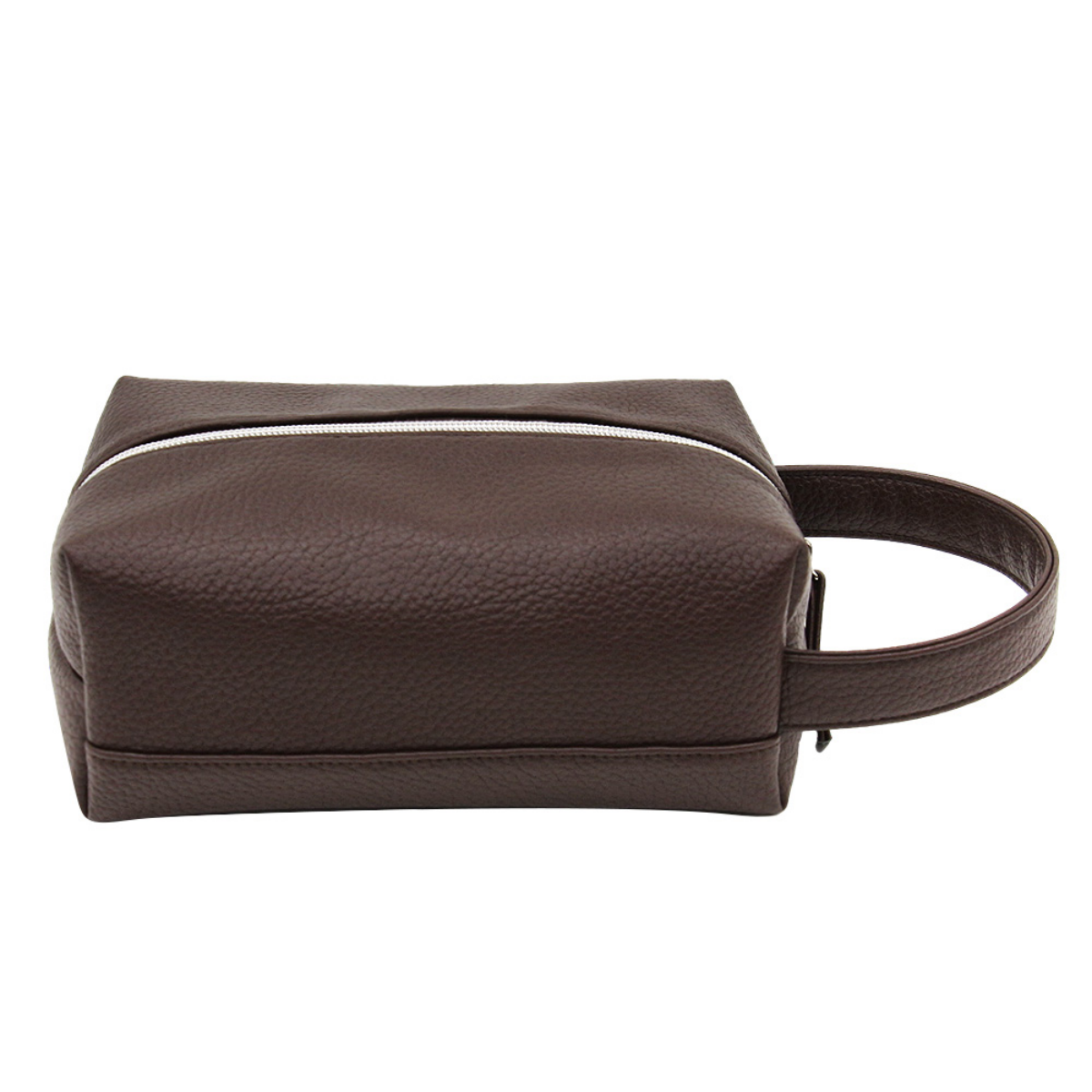
In an accessories market shaped by rapid trend cycles and evolving material technologies, leather remains a widely used option for premium bags across fashion, beauty, and lifestyle categories. From consumer purchases to private-label sourcing decisions, leather continues to be selected for reasons that go beyond appearance alone.
Whether you are evaluating a long-term personal item or researching materials with a cosmetic bag manufacturer for an upcoming collection, understanding **why leather is chosen—and when it makes sense—**helps support better buying and development decisions.
This article explores eight widely recognized advantages of leather bags, based on material performance, manufacturing experience, and current industry usage—without relying on hype or exaggerated claims.
1. Long-Term Durability in Daily Use
One of leather’s most practical advantages is its resistance to everyday wear. Compared with many lightweight synthetic or woven materials, quality leather offers higher resistance to tearing, abrasion, and edge breakdown when properly constructed.
For manufacturers producing cosmetic bags, travel pouches, or handbags, leather is often chosen for items expected to handle repeated opening, packing, and transport. In travel or daily carry scenarios, leather can help protect contents while maintaining structural integrity over time.
Durability depends on:
- Leather grade (full-grain, top-grain, split)
- Thickness and tanning method
- Stitching and edge-finishing quality
2. Surface Aging That Develops Character Over Time
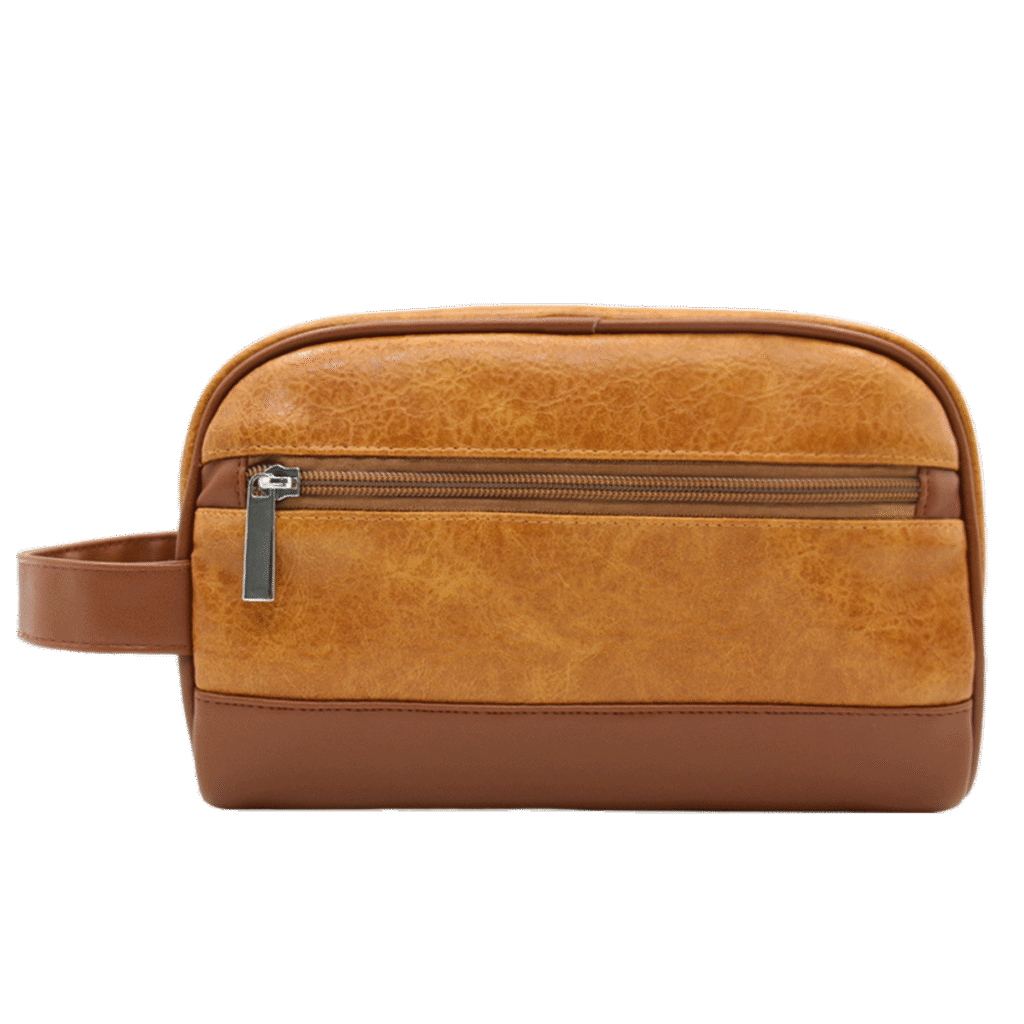
Unlike many coated or synthetic materials that show visible wear through peeling or cracking, leather typically changes gradually with use. Many users appreciate how leather surfaces soften and darken slightly over time, developing a natural patina.
From a product design perspective, this aging process can:
- Extend perceived product lifespan
- Reduce the visual impact of minor surface marks
- Create variation that feels personal rather than defective
This characteristic is one reason leather bags remain common in premium and mid-premium categories.
3. Breathability Compared with Fully Sealed Materials
Leather is a natural material with microscopic pores, which allows limited air exchange. While this does not replace hygienic handling, it can help reduce trapped moisture compared with fully sealed plastic or PVC constructions.
In cosmetic and beauty accessory applications, this property is often valued when bags are used to store:
- Makeup brushes
- Creams or liquid products
- Items packed shortly after use
Manufacturers still typically pair leather with suitable linings, but breathability remains a functional consideration during material selection.

4. Environmental Considerations: Longevity and Material Origin
Environmental impact varies widely depending on material source, processing, and usage duration. In industry discussions, leather is often evaluated based on two practical factors:
- Product lifespan: Longer-lasting products reduce replacement frequency
- Material origin: Leather is commonly sourced as a byproduct of the food industry
Unlike synthetic materials derived entirely from petrochemicals, leather’s biodegradability and durability are part of why some brands continue to include it in collections—especially when working with tanneries following recognized environmental standards.
Many leather bag factories now prioritize:
- Water-reduction processes
- Traceable supply chains
- Compliance with regional chemical regulations (e.g., REACH)
5. Design Longevity Across Seasonal Trends
Leather bags are often described as “timeless” because they adapt well to different silhouettes and finishing styles without becoming visually obsolete quickly.
From minimalist cosmetic pouches to structured handbags, leather works across:
- Neutral and seasonal colorways
- Matte, polished, or textured finishes
- Classic and contemporary shapes
For brands, this allows leather styles to remain relevant across multiple seasons with fewer design changes.
6. Natural Resistance to Light Moisture Exposure
Leather is not fully waterproof, but most finished leathers offer a degree of water resistance. Surface treatments such as light waxing or oiling allow moisture to bead temporarily, providing short-term protection.
In practical use, this helps safeguard contents from:
- Minor spills inside bags
- Light rain or damp environments
- Condensation during travel
Proper care and lining selection remain essential for cosmetic or toiletry bags.
7. Retained Value in Secondary Markets
In resale and recommerce channels, leather bags often maintain value better than many synthetic alternatives. While resale performance varies by brand and condition, leather goods are commonly accepted in second-hand marketplaces.
This characteristic reflects:
- Perceived material value
- Repairability
- Long-term usability
For some consumers, this adds confidence when purchasing higher-priced leather items.
8. Customization Flexibility in Manufacturing
From a manufacturing standpoint, leather offers significant versatility. A professional leather bag factory can adjust structure, surface finish, and branding methods to suit different markets.
Common customization options include:
- Embossed or debossed logos
- Quilting or panel construction
- Laser cutting or perforation
- Variable stiffness through backing and reinforcement
This flexibility makes leather suitable for private-label cosmetic bags, gifting programs, and premium accessory lines.
FAQ: Common Questions About Leather Bags
Is genuine leather better than bonded leather?
Genuine leather typically refers to real hide, while bonded leather is made from leather fibers mixed with adhesives. Bonded leather generally has lower durability and limited aging characteristics. Buyers should confirm leather grade with suppliers.
How should a leather cosmetic bag be maintained?
Basic care includes occasional conditioning, wiping spills promptly, and avoiding prolonged exposure to moisture or harsh chemicals. Regular care helps preserve surface quality.
Why are many leather bags produced in Guangzhou?
Guangzhou has a well-developed accessory manufacturing ecosystem, including tanneries, hardware suppliers, and skilled labor. This infrastructure supports efficient production across different quality levels.
Is leather still relevant in current markets?
Yes. Leather remains widely used in accessories due to its performance characteristics, adaptability, and compatibility with both classic and modern designs.
Conclusion: When Leather Makes Sense as a Material Choice
Leather continues to be selected not because of trend-driven appeal, but because of its balance between durability, usability, and design flexibility. When sourced responsibly and manufactured correctly, leather bags can meet both functional and aesthetic expectations over extended use.
For brands and buyers working with a cosmetic bag manufacturer or leather bag factory, understanding these material advantages helps ensure better alignment between design intent, performance, and customer expectations.
Aries Gu is the founder of Q&N. With over 17 years of experience in cosmetic bag OEM/ODM source factory. He focuses on quality control, efficient communication, and on-time delivery for global cosmetic bag projects.