Silk screen printing is one of those branding methods that stays popular for a simple reason: it works. If you want a logo or graphic to look clear, bold, and consistent on bags, pouches, and promotional items, screen printing is often one of the first options worth considering.
In bag manufacturing, buyers usually compare several decoration methods before placing an order. Some want the soft flexibility of heat transfer, some prefer the textured look of embroidery, and others need a clean, cost-effective print for larger quantities. That is where silk screen printing stands out.
In this guide, we will explain what silk screen printing is, how it works, what it looks like, where it performs best, and when it makes more sense than digital printing, heat transfer, or embroidery. If you are sourcing custom cosmetic bags, tote bags, or pouches, this will help you choose a decoration method more confidently.
At Q&N Bags’ custom service page, you can also see that printing is offered alongside other logo methods such as heat transfer, embroidery, emboss/deboss, woven labels, rubber patches, metal logos, and zipper pull logos, which makes it easier to match the branding method to the bag material and project style.
What Does Silk Screen Printing Mean?
Silk screen printing, also called screen printing or serigraphy, is a printing method that transfers ink onto a surface through a mesh screen. A stencil blocks out the areas that should not be printed, while the open parts of the mesh allow ink to pass through onto the material below.
Despite the name, modern silk screen printing does not usually use real silk. Most factories now use polyester mesh screens because they are more stable, durable, and practical for production.
In simple terms, if your design has a logo, slogan, or graphic that needs to be printed onto a bag surface in a clean and solid way, a screen is made for that artwork, ink is pushed through it, and the design is transferred onto the product.
This method is especially common for:
- Brand logos on cosmetic bags
- Simple artwork on tote bags
- Promotional text on pouches
- Retail packaging and event merchandise
How Does Silk Screen Printing Work?
The process sounds technical at first, but the workflow is actually quite straightforward once you break it down.
Step 1 – Prepare the Artwork
The first step is preparing the design file. In most cases, factories prefer clean vector artwork such as AI, EPS, or PDF files. Sharp artwork matters because the final print result depends heavily on how clear the original file is.
If the logo has multiple colors, each color usually needs its own screen. That is why simple one-color or two-color logos are usually the easiest and most economical for screen printing.
Step 2 – Make the Screen
Once the artwork is confirmed, the factory prepares a screen coated with a light-sensitive emulsion. The design is transferred to the screen, and the open areas remain where ink should pass through.
For repeat orders, this setup becomes more efficient because the factory may already have the approved artwork specifications and printing position on file.
Step 3 – Set Up the Material
The bag panel or finished product is placed in position so the logo lands exactly where it should. This step sounds basic, but alignment matters a lot. A good-looking print is not only about ink quality. It is also about placement, consistency, and control.
On custom bags, factories often confirm logo size and position before bulk production. That is especially important for front-center logos, side panel branding, or prints close to zippers, seams, and curved edges.
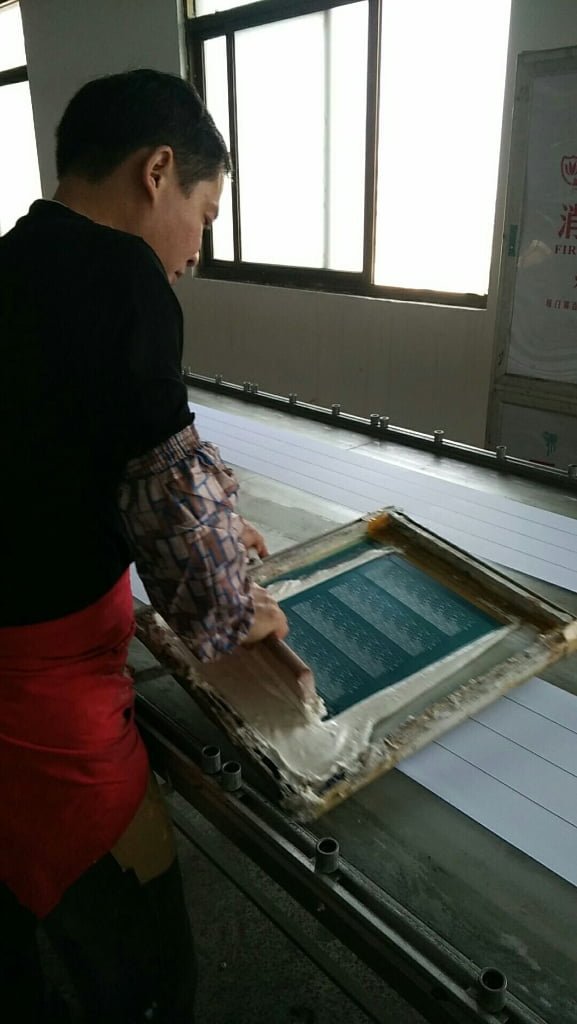
Step 4 – Apply the Ink
Ink is then pushed across the screen with a squeegee. The ink passes through the open mesh areas and transfers the design onto the bag material.
This is where silk screen printing gets its signature look. Solid areas usually appear bold and opaque, especially compared with some lighter or thinner print methods.
Step 5 – Dry and Cure the Print
After printing, the ink must be dried and cured properly. This helps the logo bond to the surface and improves durability.
If the curing process is not done well, even a nice-looking print can fail later through cracking, fading, or poor adhesion. That is why print quality is not only about the design itself, but also about material matching, ink choice, and production control.
What Does Silk Screen Printing Look Like?
When people ask about the effect of silk screen printing, they usually want to know one thing: does it look good in real life? The answer is yes, especially when the design is relatively simple and the material is suitable.
Silk screen printing usually creates a result that looks:
- Clean and sharp from a normal viewing distance
- Solid in color rather than washed out
- Bold and easy to read
- Neat for logos, slogans, symbols, and graphic marks
On many bags, the printed area feels slightly layered on the surface, but not as raised or textured as embroidery. The final feel depends on the ink, the material, and the print thickness.
For example:
- On canvas or cotton, screen printing often looks natural and slightly matte
- On nylon or polyester, it can look crisp and commercial
- On PVC or TPU panels, it can appear smooth and more striking
For branding, this makes screen printing a strong choice when you want the logo to be clearly visible without making the product feel too heavy or overly decorative.
Materials That Can Be Printed with Silk Screen Printing
One reason screen printing remains widely used is that it works on many different materials. Of course, the exact ink and process should be matched to the fabric or surface, but the method itself is flexible.
Fabric
- Cotton
- Polyester
- Canvas
- Nylon
Bags and Accessories
- Cosmetic bags
- Tote bags
- Pouches
- Promotional bags
If you are still comparing base materials before deciding on a logo method, you can browse Q&N Bags’ material options or explore their custom cosmetic bag collection to see the types of bag categories commonly used for printed branding.
Advantages of Silk Screen Printing
Strong and Durable Print
One of the biggest reasons buyers choose screen printing is durability. When the right ink is used and curing is done correctly, the logo can hold up well in daily use. For cosmetic bags, tote bags, and pouches that are handled often, that matters.
Vibrant and Opaque Colors
Screen printing is known for strong color coverage. If your brand logo needs to stand out clearly on darker materials or textured fabrics, this method often performs better than lighter print alternatives.
Cost-Effective for Bulk Orders
The setup takes time, but once production begins, screen printing becomes efficient for medium and large quantities. That is why it is often a practical choice for wholesale, promotions, gift-with-purchase projects, and OEM/ODM bag programs.
Limitations of Silk Screen Printing
Less Cost-Effective for Small Quantities
Because each design requires setup, screen printing is not always the best match for very small runs. If the order quantity is low, the setup cost can make the unit price less attractive.
Not Ideal for Highly Detailed Multi-Color Images
If your artwork includes photo-like gradients, tiny details, or many colors, screen printing becomes less convenient. It performs best when the design is clean and the color count is manageable.
Longer Setup Time
Compared with some faster transfer-based methods, screen printing needs preparation. Artwork separation, screen making, color testing, and position confirmation all take time before bulk production starts.
Silk Screen Printing vs Other Printing Methods
Buyers often do not ask whether screen printing is good or bad. They ask whether it is the right fit compared with other options. That is the better question.
Silk Screen Printing vs Digital Printing
| Point | Silk Screen Printing | Digital Printing |
|---|---|---|
| Durability | Usually stronger for simple logos and repeated daily use | Can be good, but depends heavily on material and process |
| Color Feel | Bold, solid, opaque | Better for detailed artwork and gradients |
| Best Order Quantity | Better for medium to large runs | Better for lower quantities or complex visuals |
| Artwork Type | Simple logos, text, limited-color graphics | Photos, multicolor images, more complex designs |
If your artwork is a clean logo with one or two colors, screen printing is often the more practical choice. If it looks more like a poster or photo, digital printing may be the better route.
Silk Screen Printing vs Heat Transfer Printing
| Point | Silk Screen Printing | Heat Transfer Printing |
|---|---|---|
| Print Feel | Usually more natural and direct on the surface | Can feel more film-like depending on the transfer type |
| Wash / Wear Resistance | Often very reliable when well-produced | Can vary by transfer quality and application |
| Flexibility | Best for repeated bulk production | Often more flexible for shorter runs or more detailed graphics |
For bulk custom bags with simple branding, screen printing often feels more traditional and dependable. Heat transfer becomes more attractive when you need more design flexibility or smaller order quantities.
Silk Screen Printing vs Embroidery
| Point | Silk Screen Printing | Embroidery |
|---|---|---|
| Look | Flat, clean, graphic | Raised, textured, premium-looking |
| Best For | Bold logos, promotional graphics, larger branding areas | Smaller logos, more premium or classic brand presentation |
| Material Suitability | Good across many bag materials | Better on fabrics that support stitching well |
| Cost Direction | Usually more economical for simple bulk prints | Often higher depending on stitch count and complexity |
Embroidery gives more texture and dimension, while screen printing gives cleaner graphic coverage. Neither is always better. It depends on the look you want and the type of bag you are making.
Common Uses of Silk Screen Printing
- Fashion and apparel
- Cosmetic bags and toiletry bags
- Tote bags
- Promotional products
- Packaging and branded merchandise
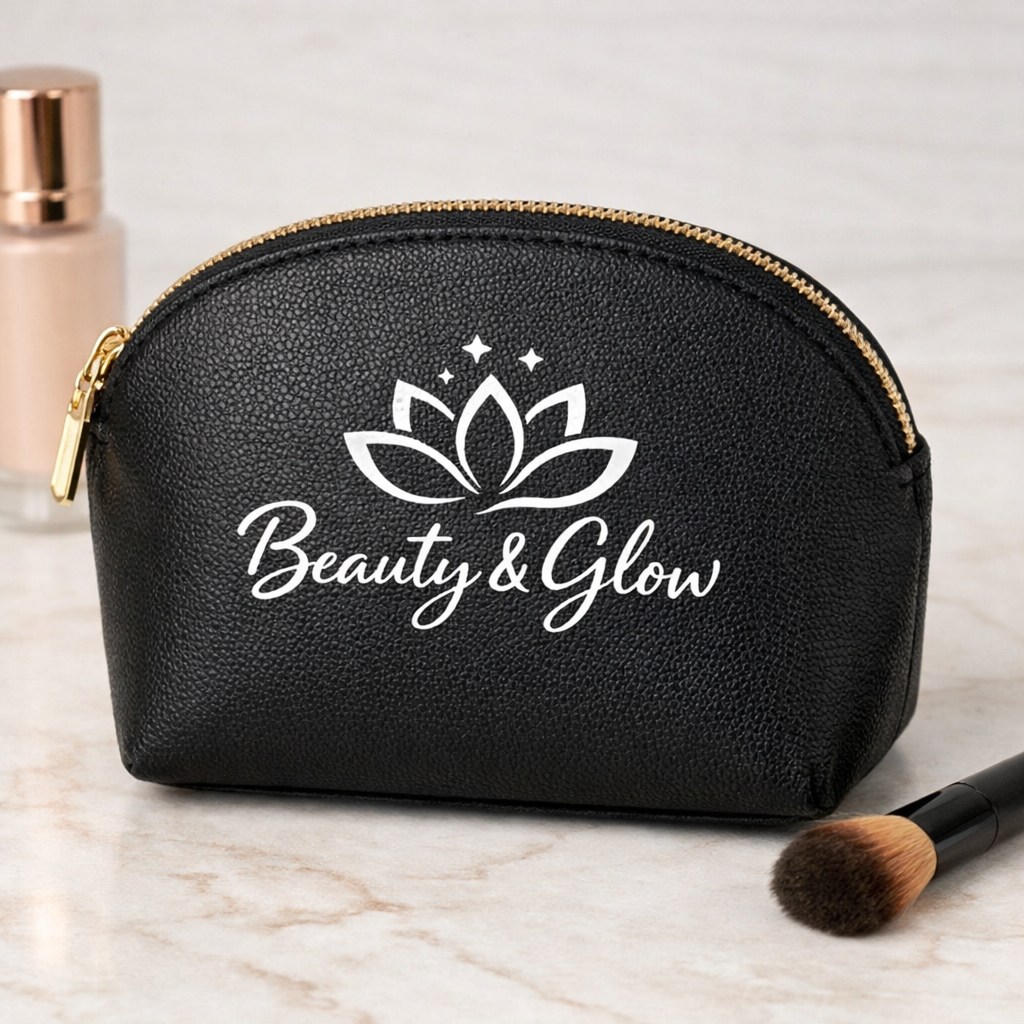
In the bag industry, it is especially common for front logo printing, simple one-color brand marks, event gift bags, and private-label cosmetic pouches.
When Should You Choose Silk Screen Printing?
Silk screen printing is often a smart option when:
- Your order quantity is not extremely small
- Your logo or artwork uses limited colors
- You want strong, readable branding
- You need a practical balance of cost and durability
- Your design is more graphic than photographic
If your project is a custom cosmetic bag collection, promotional tote bag, or branded pouch program with relatively simple artwork, this method usually deserves serious consideration.
Tips for Getting Better Silk Screen Printing Results
- Use clean vector artwork. A strong print starts with a clear file.
- Keep the color count manageable. Simpler designs usually work better and cost less.
- Match the ink to the material. Nylon, canvas, PVC, and cotton may need different treatment.
- Request a test print or pre-production sample. This helps confirm the visual result before bulk production.
- Confirm size and placement carefully. A good logo can still look wrong if the position feels off.
Why Silk Screen Printing Is Popular for Custom Bags
Custom bags need branding that is visible, consistent, and commercially practical. That is exactly why silk screen printing stays relevant. It works especially well on cosmetic bags, pouches, tote bags, and promotional styles where the logo needs to be clear without making the decoration process too complicated.
For OEM/ODM projects, buyers are usually balancing three things at once: appearance, durability, and cost. Screen printing often gives a good middle ground. It is cleaner than some lower-end print effects, more cost-effective than some premium decoration methods, and better suited to bulk production than highly customized small-batch options.
If you are sourcing bags for your brand, you can also explore related categories on Q&N Bags, such as custom cosmetic bags, toiletry bags, men’s dopp kits, or discuss branding methods through the custom service page.
Quick Comparison Summary
| Method | Best For | Main Strength | Main Limitation |
|---|---|---|---|
| Silk Screen Printing | Simple logos, bulk orders, bold branding | Durable and cost-effective at scale | Less suitable for detailed multi-color artwork |
| Digital Printing | Detailed images, gradients, smaller runs | More design freedom | May be less ideal for simple bulk branding economics |
| Heat Transfer Printing | Flexible production, detailed logos | Good for varied graphics and shorter runs | Feel and durability vary by transfer quality |
| Embroidery | Premium stitched logos | Textured and upscale appearance | Usually higher cost and less suitable for large flat graphics |
Conclusion
Silk screen printing is a classic printing method, but it is still highly relevant in modern bag manufacturing. It offers a reliable way to create bold, durable, and clean branding on a wide range of materials, from cotton and canvas to nylon and synthetic bag fabrics.
It is not the perfect option for every project. If your design is highly detailed or your quantity is very small, another decoration method may work better. But for many custom bag orders, especially those using simple logos and larger volumes, silk screen printing remains one of the most practical and dependable choices.
If you are developing custom cosmetic bags, tote bags, pouches, or toiletry bags and want help choosing the right logo method, you can browse Q&N Bags, explore the product collection, or review available branding options on the custom service page.
FAQs
Is silk screen printing durable?
Yes. When the correct ink and curing process are used, silk screen printing is generally very durable and suitable for daily-use bags and promotional products.
Can silk screen printing be used on bags?
Yes. It is commonly used on cosmetic bags, tote bags, pouches, toiletry bags, and other accessories.
Is silk screen printing good for small orders?
It can be used for small orders, but it is usually more cost-effective for medium or larger quantities because of the setup involved.
What is the difference between silk screen printing and digital printing?
Silk screen printing is usually better for simple, bold designs and larger runs, while digital printing is often better for highly detailed, full-color artwork and smaller quantities.
How many colors can be used in silk screen printing?
Multiple colors can be used, but each color usually requires a separate screen. That is why simple one-color or two-color designs are usually the most efficient.
Aries Gu is the founder of Q&N. With over 17 years of experience in cosmetic bag OEM/ODM source factory. He focuses on quality control, efficient communication, and on-time delivery for global cosmetic bag projects.