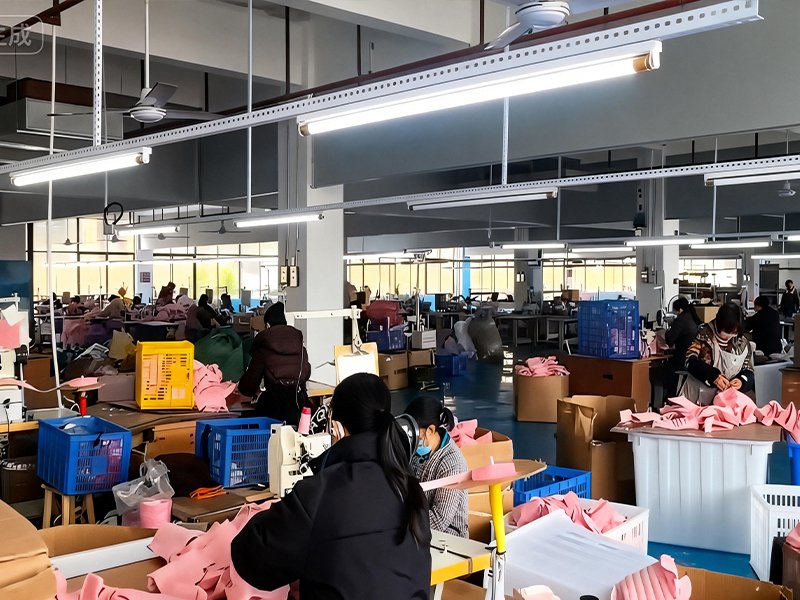
A private label cosmetic bag manufacturer helps beauty brands, wholesalers, retailers, and promotional buyers develop cosmetic bags with their own logo, colors, materials, structure, and packaging. For brands, a private label makeup bag is not only a storage pouch. It can become part of a beauty collection, skincare set, travel kit, gift box, or retail display.
This guide explains how to source custom private label cosmetic bags, including popular styles, material choices, branding methods, design trends, manufacturer selection, sampling, quality control, and bulk order details.

What Is a Private Label Cosmetic Bag?
A private label cosmetic bag is a makeup bag, toiletry pouch, brush bag, or cosmetic organizer produced for a specific brand. The buyer can customize the bag design, material, logo, color, zipper, packaging, and other product details.
The Difference Between Generic and Private Label Bags
A generic cosmetic bag usually has a standard style and no special brand identity. A private label cosmetic bag is developed around a brand’s target customer, price level, design language, logo placement, packaging style, and sales channel.
Why Beauty Brands Use Private Label Cosmetic Bags
Beauty brands use private label makeup bags to improve product presentation, increase gift value, support seasonal campaigns, and create a stronger branded experience. A well-designed bag can also help customers organize makeup, skincare, brushes, and travel essentials.
How Cosmetic Bags Support Product Lines and Gift Sets
Cosmetic bags are often used together with skincare products, makeup items, fragrance samples, brushes, hair accessories, and travel-size products. For retail buyers, a private label cosmetic bag can turn a simple product bundle into a more complete gift set.

Popular Private Label Cosmetic Bag Styles
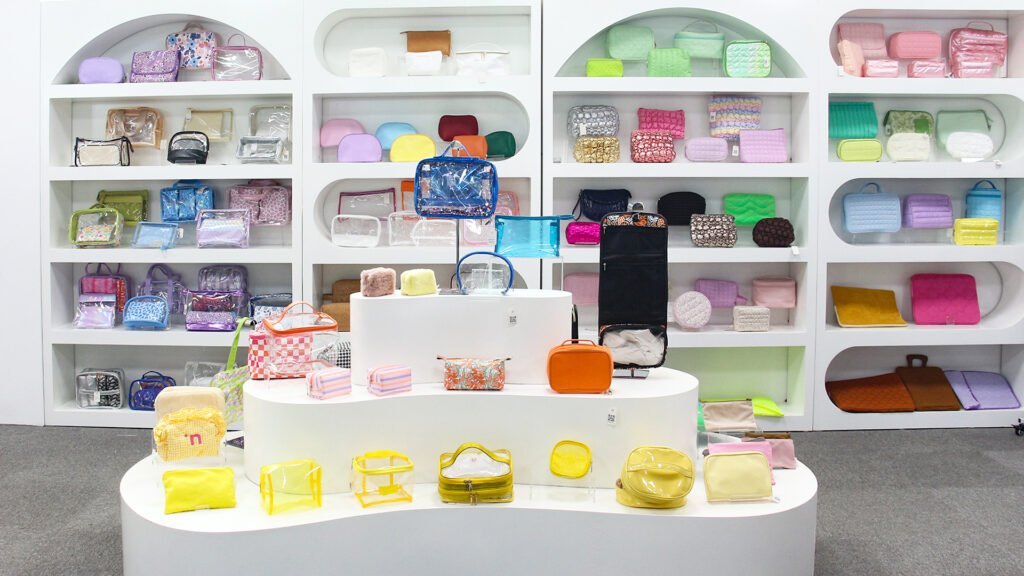
Different brands need different bag styles. A professional custom cosmetic bag manufacturer should help buyers choose the right structure based on product use, target market, quantity, and budget.
Makeup Pouches for Daily Use
Daily makeup pouches are suitable for lip products, compact powder, concealer, small tools, and personal care items. They are popular for beauty brands, retailers, subscription boxes, and promotional collections.
Travel Toiletry Bags
Travel toiletry bags usually need larger capacity, waterproof or wipe-clean lining, inner compartments, and strong zippers. They are suitable for skincare bottles, body care items, oral care products, hair care products, and travel-size containers.
Cosmetic Brush Bags
Cosmetic brush bags are designed to protect makeup brushes and beauty tools. Common features include brush slots, elastic holders, flap covers, zipper pockets, and easy-clean lining.
Gift Set and Promotional Cosmetic Bags
Gift set cosmetic bags can be developed with premium materials, special colors, custom tags, insert cards, and retail packaging. Promotional cosmetic bags often focus on practical size, clear logo visibility, and cost-effective production.

Materials Commonly Used for Private Label Cosmetic Bags
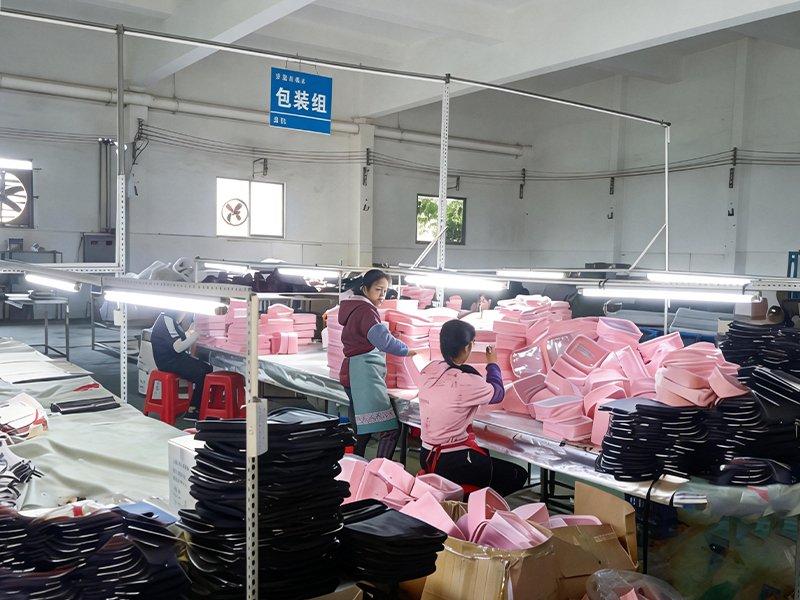
Material choice affects appearance, cost, durability, weight, hand feel, logo effect, and product positioning. Before placing a wholesale cosmetic bag order, buyers should confirm the target retail price and product use.
Nylon and Polyester for Practical Collections
Nylon and polyester are widely used for custom makeup pouches because they are lightweight, flexible, and suitable for daily use. They can be made with solid colors, printed designs, quilted textures, padded structures, or water-resistant finishes.
Clear PVC or TPU for Travel-Friendly Designs
Clear PVC and TPU are common choices for transparent cosmetic bags, travel toiletry bags, and easy-clean makeup pouches. TPU often feels softer and more premium, while PVC can be a practical choice for cost-sensitive transparent designs.
PU Leather for Premium Brand Positioning
PU leather is suitable for premium private label cosmetic bags, vanity cases, beauty gift sets, and retail collections. It works well with embossing, debossing, metal logo plates, contrast stitching, and customized zipper pullers.
Quilted, Padded, or Recycled Fabrics for Trend Lines
Quilted fabric, padded nylon, satin, velvet, and recycled polyester can help brands create seasonal or trend-driven collections. If buyers want recycled material options, they should confirm fabric availability, document requirements, and order quantity before development.

Custom Design and Branding Options
A private label cosmetic bag manufacturer should support both product design and branding details. The goal is to make the bag practical for users and recognizable for the brand.
Custom Size, Shape, and Compartments
Buyers can customize the size, shape, gusset, handle, opening style, compartments, mesh pockets, brush slots, dividers, and lining. These details should be planned based on what the end customer will carry inside the bag.
Logo Printing, Embroidery, and Woven Labels
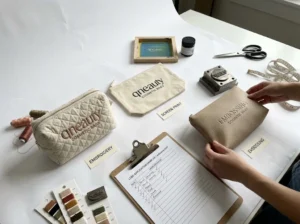
Common logo methods include screen printing, heat transfer, embroidery, woven labels, rubber patches, and inner labels. The best method depends on the material, logo size, color, order quantity, and desired brand style.
Custom Zipper Pullers and Hardware Colors
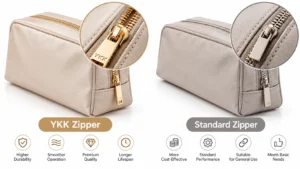
Custom zipper pullers, metal sliders, branded hardware, and color-matched zipper tapes can improve the overall product detail. These options are especially useful for premium, gift-ready, and retail-focused cosmetic bags.
Inner Labels, Hang Tags, and Retail Packaging
Private label packaging may include inner labels, hang tags, barcode labels, insert cards, OPP bags, paper sleeves, display boxes, and gift boxes. For retail buyers, packaging should protect the product and support shelf presentation.

Design Trends for Private Label Cosmetic Bags
Private label cosmetic bag trends change with beauty, fashion, travel, and lifestyle markets. Brands should choose trends that fit their target customers instead of following every design direction.
Minimalist Branding and Clean Shapes
Minimalist cosmetic bags with clean shapes, simple logo placement, and neutral colors are suitable for premium beauty brands, skincare lines, hotels, and lifestyle retailers.
Soft Neutrals and Seasonal Colors
Beige, cream, taupe, soft pink, lavender, baby blue, butter yellow, and muted green are popular choices for many beauty and lifestyle collections. Seasonal colors can help brands refresh their product line without changing the full structure.
Waterproof and Travel-Ready Structures
Travel-ready cosmetic bags often feature waterproof fabric, clear panels, wipe-clean lining, wide openings, hanging hooks, and inner compartments. These details are practical for skincare, toiletries, and travel-size beauty products.
Matching Sets for Beauty, Hair, and Skincare Brands
Matching sets can include cosmetic bags, toiletry bags, brush bags, scrunchies, headbands, satin pouches, or skincare packaging bags. This approach helps brands create a more complete product story for gifting and retail.

How to Choose a Private Label Cosmetic Bag Manufacturer
Choosing the right private label cosmetic bag manufacturer is important for product quality, delivery timing, customization accuracy, and long-term cooperation. Buyers should evaluate both production ability and communication quality.
Review Product Development Experience
Buyers should check whether the manufacturer has experience with makeup pouches, toiletry bags, cosmetic brush bags, clear bags, quilted bags, PU cosmetic cases, and gift set packaging. More category experience usually means better suggestions during development.
Check Material Sourcing and Customization Ability
A capable supplier should support different materials, logo methods, colors, zippers, lining options, and packaging solutions. Buyers should ask whether the factory can source similar materials or recommend alternatives based on cost and lead time.
Ask About Sampling and Production Timelines
Sampling time, revision time, and bulk production time should be confirmed early. For seasonal launches, holiday promotions, or retail delivery windows, timeline planning is especially important.
Confirm Quality Control and Packaging Standards
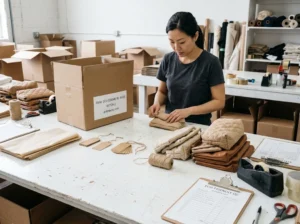
Buyers should confirm how the factory checks stitching, zipper function, logo placement, lining, shape, color, packaging, carton marks, and final quantity. Approved samples should be used as the reference for bulk production inspection.

Procurement Details Buyers Should Confirm
Clear procurement details help buyers receive accurate quotations and avoid misunderstandings during sampling and production. Before starting a custom makeup pouch project, prepare as much information as possible.
MOQ, Unit Price, and Price Breaks
MOQ and unit price depend on bag size, material, logo method, structure, packaging, and order quantity. Buyers can ask for price breaks at different quantities to compare cost options for wholesale cosmetic bags.
Sample Fee and Sample Approval Process
Sample fees usually depend on product complexity, material availability, and logo process. Buyers should review the sample carefully and confirm size, material, color, logo, zipper, lining, stitching, and packaging before approval.
Bulk Lead Time and Shipping Method
Bulk lead time can be affected by material sourcing, production schedule, logo process, packaging, inspection, and shipping method. Buyers should confirm whether goods will ship by express, air, sea, or DDP service based on delivery requirements.
Product Testing, Packaging, and Final Inspection
Depending on the market and product use, buyers may need to confirm color fastness, material safety, packaging requirements, barcode labels, carton marks, and final inspection standards before shipment.

FAQ
What is a private label cosmetic bag?
A private label cosmetic bag is a makeup bag or cosmetic pouch customized for a specific brand. It can include custom size, material, color, logo, zipper, inner label, hang tag, and retail packaging.
Can I customize the size and material of cosmetic bags?
Yes. Buyers can customize cosmetic bag size, shape, material, lining, compartments, handle style, zipper type, logo method, and packaging based on product use and brand requirements.
What logo method is best for private label cosmetic bags?
The best logo method depends on the material and desired effect. Screen printing, heat transfer, embroidery, woven labels, rubber patches, metal plates, embossing, and debossing are common options.
What information should I provide for a quotation?
Buyers should provide size, material, quantity, logo method, logo artwork, color requirements, lining details, packaging method, target price range, and delivery schedule. Reference images or tech packs are also helpful.
How long does it take to produce private label cosmetic bags?
Production time depends on material availability, sample approval, logo process, structure complexity, packaging, order quantity, and factory schedule. Buyers should confirm sample time and bulk lead time before placing an order.

Conclusion: Work with a Private Label Cosmetic Bag Manufacturer That Understands Your Brand
A reliable private label cosmetic bag manufacturer should do more than produce a basic pouch. The right supplier should understand product use, material selection, logo application, structure development, quality control, packaging, and delivery planning.
Future private label cosmetic bag trends will continue to focus on lightweight travel designs, waterproof materials, clear TPU structures, soft quilted textures, recycled fabric options, minimalist branding, seasonal colors, and gift-ready packaging. Brands that combine practical function with a clear visual identity will be better positioned for retail and wholesale markets.
If you are developing private label makeup bags, custom toiletry bags, cosmetic brush bags, wholesale cosmetic bags with logo, or custom makeup pouch collections, prepare your size, material, logo method, quantity, packaging requirements, and target delivery date before requesting a quote.
Contact QNBags for a Private Label Cosmetic Bag Quote

Custom Private Label Cosmetic Bag Manufacturer
A private label cosmetic bag manufacturer helps beauty brands, wholesalers, retailers, and promotional buyers develop cosmetic bags with their own logo, colors, materials, structure, and packaging. For brands, a private label makeup bag is not only a storage pouch. It can become part of a beauty collection, skincare set, travel kit, gift box, or retail display.
This guide explains how to source custom private label cosmetic bags, including popular styles, material choices, branding methods, design trends, manufacturer selection, sampling, quality control, and bulk order details.
What Is a Private Label Cosmetic Bag?
A private label cosmetic bag is a makeup bag, toiletry pouch, brush bag, or cosmetic organizer produced for a specific brand. The buyer can customize the bag design, material, logo, color, zipper, packaging, and other product details.
The Difference Between Generic and Private Label Bags
A generic cosmetic bag usually has a standard style and no special brand identity. A private label cosmetic bag is developed around a brand’s target customer, price level, design language, logo placement, packaging style, and sales channel.
Why Beauty Brands Use Private Label Cosmetic Bags
Beauty brands use private label makeup bags to improve product presentation, increase gift value, support seasonal campaigns, and create a stronger branded experience. A well-designed bag can also help customers organize makeup, skincare, brushes, and travel essentials.
How Cosmetic Bags Support Product Lines and Gift Sets
Cosmetic bags are often used together with skincare products, makeup items, fragrance samples, brushes, hair accessories, and travel-size products. For retail buyers, a private label cosmetic bag can turn a simple product bundle into a more complete gift set.
Popular Private Label Cosmetic Bag Styles
Different brands need different bag styles. A professional custom cosmetic bag manufacturer should help buyers choose the right structure based on product use, target market, quantity, and budget.
Makeup Pouches for Daily Use
Daily makeup pouches are suitable for lip products, compact powder, concealer, small tools, and personal care items. They are popular for beauty brands, retailers, subscription boxes, and promotional collections.
Travel Toiletry Bags
Travel toiletry bags usually need larger capacity, waterproof or wipe-clean lining, inner compartments, and strong zippers. They are suitable for skincare bottles, body care items, oral care products, hair care products, and travel-size containers.
Cosmetic Brush Bags
Cosmetic brush bags are designed to protect makeup brushes and beauty tools. Common features include brush slots, elastic holders, flap covers, zipper pockets, and easy-clean lining.
Gift Set and Promotional Cosmetic Bags
Gift set cosmetic bags can be developed with premium materials, special colors, custom tags, insert cards, and retail packaging. Promotional cosmetic bags often focus on practical size, clear logo visibility, and cost-effective production.
Materials Commonly Used for Private Label Cosmetic Bags
Material choice affects appearance, cost, durability, weight, hand feel, logo effect, and product positioning. Before placing a wholesale cosmetic bag order, buyers should confirm the target retail price and product use.
Nylon and Polyester for Practical Collections
Nylon and polyester are widely used for custom makeup pouches because they are lightweight, flexible, and suitable for daily use. They can be made with solid colors, printed designs, quilted textures, padded structures, or water-resistant finishes.
Clear PVC or TPU for Travel-Friendly Designs
Clear PVC and TPU are common choices for transparent cosmetic bags, travel toiletry bags, and easy-clean makeup pouches. TPU often feels softer and more premium, while PVC can be a practical choice for cost-sensitive transparent designs.
PU Leather for Premium Brand Positioning
PU leather is suitable for premium private label cosmetic bags, vanity cases, beauty gift sets, and retail collections. It works well with embossing, debossing, metal logo plates, contrast stitching, and customized zipper pullers.
Quilted, Padded, or Recycled Fabrics for Trend Lines
Quilted fabric, padded nylon, satin, velvet, and recycled polyester can help brands create seasonal or trend-driven collections. If buyers want recycled material options, they should confirm fabric availability, document requirements, and order quantity before development.
Custom Design and Branding Options
A private label cosmetic bag manufacturer should support both product design and branding details. The goal is to make the bag practical for users and recognizable for the brand.
Custom Size, Shape, and Compartments
Buyers can customize the size, shape, gusset, handle, opening style, compartments, mesh pockets, brush slots, dividers, and lining. These details should be planned based on what the end customer will carry inside the bag.
Logo Printing, Embroidery, and Woven Labels
Common logo methods include screen printing, heat transfer, embroidery, woven labels, rubber patches, and inner labels. The best method depends on the material, logo size, color, order quantity, and desired brand style.
Custom Zipper Pullers and Hardware Colors
Custom zipper pullers, metal sliders, branded hardware, and color-matched zipper tapes can improve the overall product detail. These options are especially useful for premium, gift-ready, and retail-focused cosmetic bags.
Inner Labels, Hang Tags, and Retail Packaging
Private label packaging may include inner labels, hang tags, barcode labels, insert cards, OPP bags, paper sleeves, display boxes, and gift boxes. For retail buyers, packaging should protect the product and support shelf presentation.
Design Trends for Private Label Cosmetic Bags
Private label cosmetic bag trends change with beauty, fashion, travel, and lifestyle markets. Brands should choose trends that fit their target customers instead of following every design direction.
Minimalist Branding and Clean Shapes
Minimalist cosmetic bags with clean shapes, simple logo placement, and neutral colors are suitable for premium beauty brands, skincare lines, hotels, and lifestyle retailers.
Soft Neutrals and Seasonal Colors
Beige, cream, taupe, soft pink, lavender, baby blue, butter yellow, and muted green are popular choices for many beauty and lifestyle collections. Seasonal colors can help brands refresh their product line without changing the full structure.
Waterproof and Travel-Ready Structures
Travel-ready cosmetic bags often feature waterproof fabric, clear panels, wipe-clean lining, wide openings, hanging hooks, and inner compartments. These details are practical for skincare, toiletries, and travel-size beauty products.
Matching Sets for Beauty, Hair, and Skincare Brands
Matching sets can include cosmetic bags, toiletry bags, brush bags, scrunchies, headbands, satin pouches, or skincare packaging bags. This approach helps brands create a more complete product story for gifting and retail.
How to Choose a Private Label Cosmetic Bag Manufacturer
Choosing the right private label cosmetic bag manufacturer is important for product quality, delivery timing, customization accuracy, and long-term cooperation. Buyers should evaluate both production ability and communication quality.
Review Product Development Experience
Buyers should check whether the manufacturer has experience with makeup pouches, toiletry bags, cosmetic brush bags, clear bags, quilted bags, PU cosmetic cases, and gift set packaging. More category experience usually means better suggestions during development.
Check Material Sourcing and Customization Ability
A capable supplier should support different materials, logo methods, colors, zippers, lining options, and packaging solutions. Buyers should ask whether the factory can source similar materials or recommend alternatives based on cost and lead time.
Ask About Sampling and Production Timelines
Sampling time, revision time, and bulk production time should be confirmed early. For seasonal launches, holiday promotions, or retail delivery windows, timeline planning is especially important.
Confirm Quality Control and Packaging Standards
Buyers should confirm how the factory checks stitching, zipper function, logo placement, lining, shape, color, packaging, carton marks, and final quantity. Approved samples should be used as the reference for bulk production inspection.
Procurement Details Buyers Should Confirm
Clear procurement details help buyers receive accurate quotations and avoid misunderstandings during sampling and production. Before starting a custom makeup pouch project, prepare as much information as possible.
MOQ, Unit Price, and Price Breaks
MOQ and unit price depend on bag size, material, logo method, structure, packaging, and order quantity. Buyers can ask for price breaks at different quantities to compare cost options for wholesale cosmetic bags.
Sample Fee and Sample Approval Process
Sample fees usually depend on product complexity, material availability, and logo process. Buyers should review the sample carefully and confirm size, material, color, logo, zipper, lining, stitching, and packaging before approval.
Bulk Lead Time and Shipping Method
Bulk lead time can be affected by material sourcing, production schedule, logo process, packaging, inspection, and shipping method. Buyers should confirm whether goods will ship by express, air, sea, or DDP service based on delivery requirements.
Product Testing, Packaging, and Final Inspection
Depending on the market and product use, buyers may need to confirm color fastness, material safety, packaging requirements, barcode labels, carton marks, and final inspection standards before shipment.
FAQ
What is a private label cosmetic bag?
A private label cosmetic bag is a makeup bag or cosmetic pouch customized for a specific brand. It can include custom size, material, color, logo, zipper, inner label, hang tag, and retail packaging.
Can I customize the size and material of cosmetic bags?
Yes. Buyers can customize cosmetic bag size, shape, material, lining, compartments, handle style, zipper type, logo method, and packaging based on product use and brand requirements.
What logo method is best for private label cosmetic bags?
The best logo method depends on the material and desired effect. Screen printing, heat transfer, embroidery, woven labels, rubber patches, metal plates, embossing, and debossing are common options.
What information should I provide for a quotation?
Buyers should provide size, material, quantity, logo method, logo artwork, color requirements, lining details, packaging method, target price range, and delivery schedule. Reference images or tech packs are also helpful.
How long does it take to produce private label cosmetic bags?
Production time depends on material availability, sample approval, logo process, structure complexity, packaging, order quantity, and factory schedule. Buyers should confirm sample time and bulk lead time before placing an order.
Conclusion: Work with a Private Label Cosmetic Bag Manufacturer That Understands Your Brand
A reliable private label cosmetic bag manufacturer should do more than produce a basic pouch. The right supplier should understand product use, material selection, logo application, structure development, quality control, packaging, and delivery planning.
Future private label cosmetic bag trends will continue to focus on lightweight travel designs, waterproof materials, clear TPU structures, soft quilted textures, recycled fabric options, minimalist branding, seasonal colors, and gift-ready packaging. Brands that combine practical function with a clear visual identity will be better positioned for retail and wholesale markets.
If you are developing private label makeup bags, custom toiletry bags, cosmetic brush bags, wholesale cosmetic bags with logo, or custom makeup pouch collections, prepare your size, material, logo method, quantity, packaging requirements, and target delivery date before requesting a quote.
Contact QNBags for a Private Label Cosmetic Bag Quote
Aries Gu is the founder of Q&N. With over 17 years of experience in cosmetic bag OEM/ODM source factory. He focuses on quality control, efficient communication, and on-time delivery for global cosmetic bag projects.