Packing toiletries for carry on sounds simple until you are standing at airport security with an overstuffed liquids bag, a leaking moisturizer, and a pouch full of items you did not actually need. Most travelers do not struggle because they forget the basics. They struggle because they pack toiletries the same way they use them at home. A carry-on setup needs a different logic. It has to be smaller, cleaner, easier to inspect, less leak-prone, and more intentional about what earns space.
That matters more than ever because beauty and personal-care routines remain highly portable. Consumers are carrying more skincare, more grooming products, and more mini formats between home, work, and travel. Circana reported that the U.S. prestige beauty market reached $16 billion in the first half of 2025, while mass beauty sales at mass merchants rose to $34.6 billion. At the same time, TSA still requires travelers to follow the 3-1-1 liquids rule for most carry-on liquids, gels, creams, and pastes. In other words, travelers have more products they want to bring, but the same screening limitations they need to respect. In this guide, you will learn what toiletries to pack in a carry-on, how to handle liquids, creams, and gels, which toiletry bag features are most useful, how to save space without sacrificing your routine, and how to avoid the mistakes that cause airport stress and luggage leaks.
Table of Contents
- What Toiletries You Really Need in a Carry On
- Understand the Carry-On Toiletries Rules First
- How to Pack Liquids, Creams, and Gels Properly
- Best Toiletry Bags for Carry On Travel
- How to Save Space When Packing Toiletries
- Common Carry-On Toiletry Packing Mistakes
- How to Build a Toiletry System You Will Reuse
- Explore Carry-On Toiletry Bags at QN Bags
- Conclusion and Next Step
- FAQ
1. What Toiletries You Really Need in a Carry On
Which toiletries are true essentials?
The best carry-on toiletry setup begins with function, not product category. You do not need to recreate your full bathroom shelf in your personal item or cabin bag. You need the products that support comfort, hygiene, and your most stable routine while you are away. For most travelers, that means toothbrush and toothpaste, deodorant, face wash, moisturizer, sunscreen, and a few grooming basics. Depending on the trip, it may also include contact-lens supplies, shaving products, or one or two minimal makeup items.
A smart carry-on toiletry list usually works best when it is built around daily use frequency rather than “just in case” thinking. Products you use every single day deserve priority. Products you might use once if something unexpected happens usually do not.
Which products do not need full-size bottles?
Many travelers waste space by carrying more shampoo, cleanser, lotion, or mouthwash than the trip could possibly require. A three-night trip does not need a near-full bottle of anything. This is where travel-size containers, decants, and hotel-supplied items can dramatically reduce bulk. If you already know the property provides certain basics, there is no need to duplicate them unless you have strong product preferences or sensitive-skin concerns.
How should trip length affect the amount you carry?
Carry-on toiletries should scale with trip length, but not in a perfectly linear way. Short trips benefit most from mini quantities and single-use edits. Longer trips need more volume, but still not unlimited volume. If you are staying somewhere with access to a pharmacy, grocery store, or hotel amenities, that reduces how much backup product you need to bring. The goal is to carry enough, not everything.
| Trip Length | Toiletry Strategy | Best Approach |
|---|---|---|
| 1–3 days | Essentials only | Travel sizes, sample packets, minimal grooming kit |
| 4–7 days | Edited routine | Travel bottles plus one or two comfort extras |
| 1 week+ | Routine-focused carry | Carry-on compliant sizes plus restocking plan or destination buying |
Suggested image alt: “Carry-on toiletry essentials laid out for a short trip including toothbrush mini skincare and deodorant”
2. Understand the Carry-On Toiletries Rules First
What the TSA 3-1-1 rule actually means
If you are flying within or through the United States, the TSA 3-1-1 liquids rule is the key starting point. TSA states that liquids, aerosols, gels, creams, and pastes in carry-on bags must be in travel-size containers of 3.4 ounces or 100 milliliters or less, and all of those containers must fit into one quart-sized bag per passenger. That includes many common toiletries such as toothpaste, shampoo, conditioner, lotion, and mouthwash.
Which toiletries count as liquids or gels?
Travelers often underestimate how many products fall under the liquid rule. Toothpaste, liquid foundation, shampoo, conditioner, sunscreen, face wash, cream moisturizers, hair gel, mouthwash, and liquid deodorant all count. TSA’s official FAQ explicitly lists common travel items such as toothpaste, shampoo, conditioner, mouthwash, and lotion as products that must comply. This is why carry-on packing becomes easier when you think in textures, not just product names.
Which solid toiletries can simplify carry-on packing?
Solid toiletries are one of the easiest ways to reduce pressure on your quart-size liquids bag. TSA’s “What Can I Bring?” database states that bar soap is allowed in carry-on bags, and solid deodorant is also allowed in carry-on bags. That makes solid toiletries useful not only for sustainability-minded travelers, but also for anyone trying to free up liquid space. Shampoo bars, bar soap, and solid deodorant can simplify packing in a way decanted liquids cannot.
Case Study: The growth of solid-format personal care is not just anecdotal. Grand View Research estimates the global shampoo bar market at USD 14.57 billion in 2023, with projected growth to USD 24.59 billion by 2030. That trend reflects both sustainability interest and practical travel appeal: solids remove pressure from the quart-size liquids bag.
Expert rule: Before you decant anything, ask whether a solid version would do the job. Every product you move out of the liquids bag makes the rest of your carry-on system easier.
Suggested image alt: “Carry-on liquids rule visual with quart-size bag, 3.4-ounce containers, and solid toiletries beside it”
3. How to Pack Liquids, Creams, and Gels Properly
How should you decant liquid products?
Decant only what you will actually use. Overfilling small bottles defeats the point of packing light, and under-labeling them creates confusion at your destination. Use containers that seal tightly, are sized for the length of the trip, and are easy to distinguish by texture or label. Short trips often need only a few days’ worth of product, not the maximum 100 milliliters just because the rule allows it.
Why sealing and leak prevention matter so much
A carry-on leak is worse than a home leak because it affects multiple products at once. Pressure changes, squeezing, jostling, and temperature shifts all make a loose cap riskier in transit. Toiletries should be tightened fully, bagged together, and ideally separated from powders and fabrics. A leak-proofing system does not need to be complicated, but it does need to be deliberate. One small failure can contaminate your makeup, stain a pouch, and waste valuable screening time.
Why transparent storage makes security checks easier
A clear quart-size bag is not only a TSA requirement for the liquids group. It is also one of the easiest ways to make your toiletry kit faster to inspect and easier to repack. When you can see the liquids immediately, you waste less time opening the wrong pouch or pulling out non-liquid products by mistake. Transparency supports compliance and speed at the same time.
| Liquid Packing Choice | Why It Helps | Main Risk If Ignored |
|---|---|---|
| Use only small, trip-matched decants | Reduces wasted space and product | Overpacking and heavier bags |
| Tighten and bag liquids together | Limits spread if one item leaks | Contaminated clothing or makeup |
| Keep liquids in a clear quart-size bag | Faster security inspection | Slower screening and repacking stress |
Suggested image alt: “Clear quart-size carry-on liquids bag with labeled decants for shampoo lotion and cleanser”
4. Best Toiletry Bags for Carry On Travel
What type of toiletry bag works best for carry on?
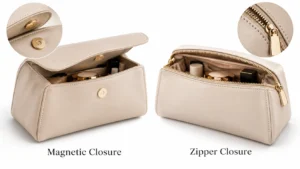
The best toiletry bag for carry-on travel is not necessarily the biggest one. It is the one that helps you separate liquids, see what you packed, and fit the kit into your cabin setup without wasting space. For some travelers, that means a slim clear bag. For others, it means a compact structured pouch plus a separate quart-size liquid bag. Frequent travelers often do best with a system rather than a single oversized pouch.
Why clear, water-resistant, and compartmentalized designs help
Clear bags make liquid screening faster and help with visual inventory. Water-resistant or wipeable interiors reduce the damage from leaks. Compartmentalized designs are useful when you want to keep grooming, liquids, and dry products separate. The strongest carry-on toiletry bags support logic, not just capacity. They reduce chaos before it starts.
What happens when the toiletry bag is too big or too small?
A bag that is too large invites overpacking. A bag that is too small turns routine items into a stressful puzzle and may force liquids into unsafe, overstuffed arrangements. A well-sized carry-on toiletry bag should fit the trip, the destination, and the traveler’s grooming habits. The right bag is one that closes easily, keeps the most important items reachable, and does not make you choose between compliance and convenience.
| Toiletry Bag Style | Best For | Main Watch-Out |
|---|---|---|
| Clear quart-size bag | TSA-compliant liquids | Limited room for non-liquid items |
| Compact structured toiletry pouch | Short trips and edited routines | Can feel crowded if overpacked |
| Compartmentalized travel organizer | Frequent travelers and layered routines | May be larger than needed for short trips |
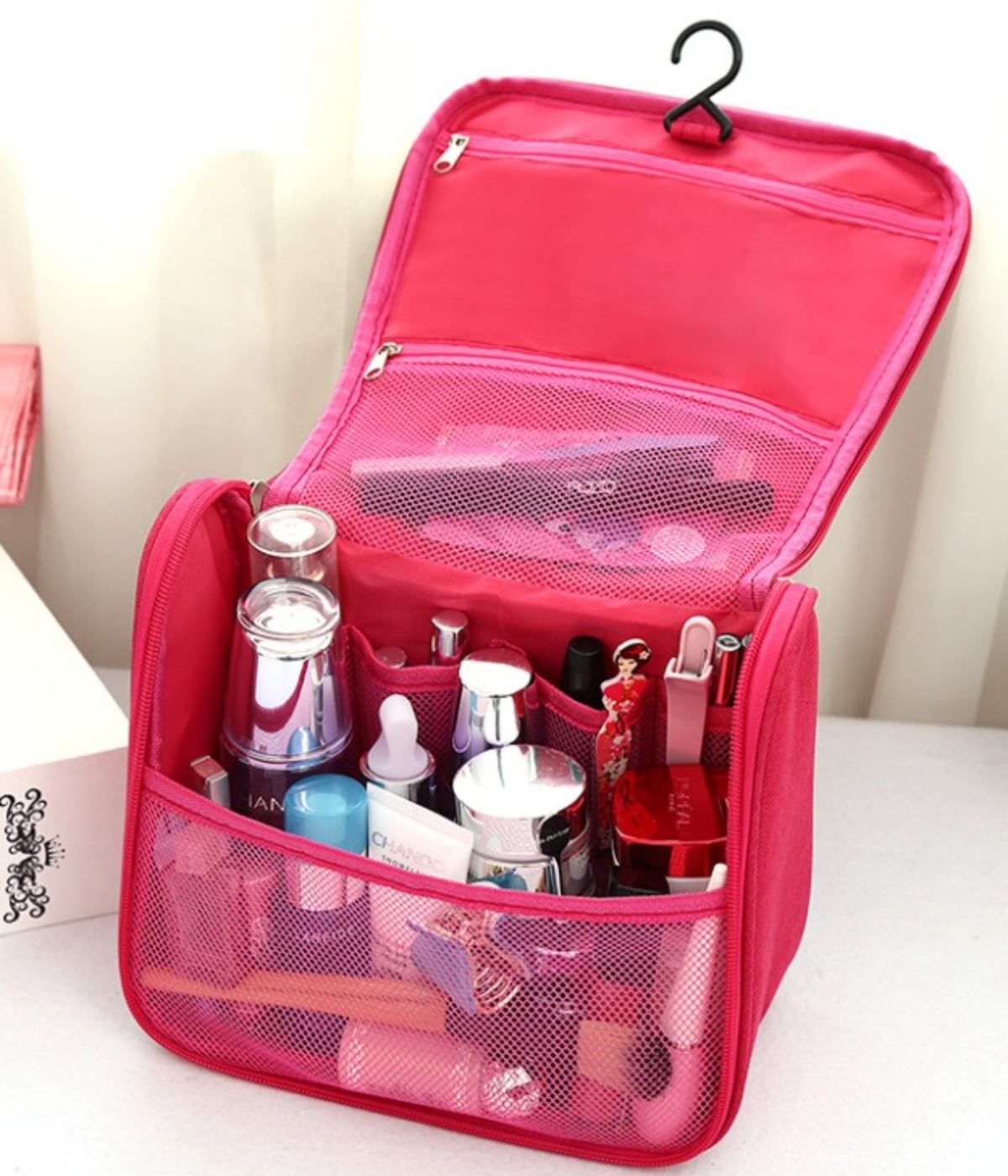
| Hanging toiletry bag | Hotel stays and longer trips | Less ideal for minimal carry-on setups |
Suggested image alt: “Different carry-on toiletry bag styles including clear, structured, and compartmentalized travel bags”
5. How to Save Space When Packing Toiletries
Why multipurpose products work so well in a carry on
The simplest way to save space is not better folding. It is fewer products. Multipurpose items reduce category count immediately. A moisturizer with SPF, a tinted balm, a hair-and-body wash, or one cleanser that works both morning and night can all simplify a travel routine without lowering comfort. Each product that serves two purposes creates room for something else—or removes the need for extra room entirely.
Can solid toiletries save space?
Yes, and they can also save liquid allowance. Solid shampoo, soap bars, and solid deodorant not only free up the quart-size bag but often pack more efficiently in non-liquid pouches. They can also reduce leak risk and simplify mid-trip cleanup. They are not ideal for every traveler, but they are one of the clearest ways to make a carry-on toiletry setup feel lighter and less rule-bound.
How should you combine samples, travel sizes, and decants?
The best carry-on toiletry kits rarely rely on only one format. Samples are good for short one-off trips. Travel sizes are better for repeated use. Decants are best when your exact preferred product does not exist in a travel version. A balanced system often uses all three. The mistake is assuming every category needs the same format.
Best space-saving swaps for carry on
- Bar soap instead of liquid body wash
- Solid deodorant instead of liquid or gel deodorant
- Travel-size sunscreen instead of half-used full-size bottle
- One multi-use balm instead of several specialty creams
- Small decants only for products you cannot easily replace
Case Study: The expanding shampoo bar market is a useful signal for travelers. Consumers are not only buying solids for sustainability reasons. They are also embracing them because bars remove leakage risk and reduce liquid-rule pressure, which makes carry-on packing simpler.
Suggested image alt: “Carry-on toiletries packed efficiently with solid shampoo bar, mini sunscreen, and small decant bottles”
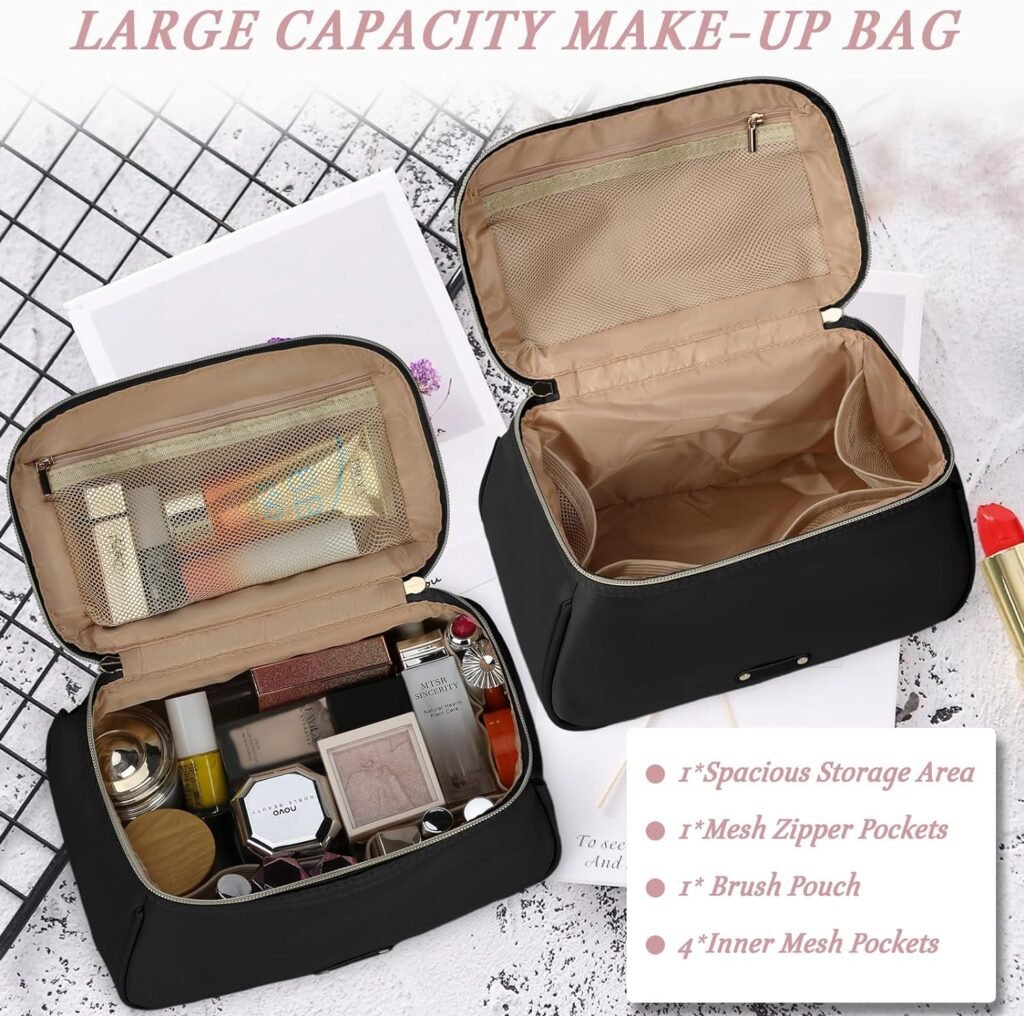
6. Common Carry-On Toiletry Packing Mistakes
Why too many backups create more problems
Many travelers pack toiletries as if they are heading somewhere with no shops, no hotel amenities, and no margin for adaptation. That mindset creates duplicates, extra weight, and liquids bags that barely close. Backups are sometimes useful, but most carry-on routines work better when they assume normal access to basics at the destination.
Why random packing increases leak and screening risk
When toiletries are packed without grouping, the traveler loses visibility. Liquids get mixed with dry products, caps loosen, and small items become hard to inspect quickly. Random packing also makes it harder to comply with security rules because the relevant liquids are not easy to separate from the rest of the toiletry kit.
Why travelers overpack “comfort” products without using them
Many carry-on bags end up full of products that provide emotional reassurance rather than realistic utility. Extra masks, multiple hair products, duplicate cleansers, and backup cosmetics often feel smart while packing and unnecessary once the trip starts. The better approach is to define the few products that protect your routine and let the rest go.
| Mistake | What It Causes | Better Fix |
|---|---|---|
| Packing full-size toiletries in carry-on | Security issues or repacking stress | Use compliant travel sizes or check the item |
| Skipping leak protection | Messy bag and product loss | Seal, separate, and use wipeable pouches |
| Bringing too many duplicates | Wasted space and heavier luggage | Edit by trip length and daily use |
| Mixing liquids and dry items together | Harder screening and more contamination | Pack by format and risk level |
Suggested image alt: “Common carry-on toiletry packing mistakes including oversized bottles, leaks, and overstuffed pouches”
7. How to Build a Toiletry System You Will Reuse
Why reusable systems beat one-off packing every time
The easiest carry-on packers are usually not more disciplined. They are more system-based. They keep a pre-edited travel setup, know which bottles already work, and use the same pouch logic every trip. A reusable system removes decision fatigue. You stop reinventing your travel routine every time you fly.
What a good reusable carry-on system looks like
A practical reusable system often has three parts: one clear quart-size bag for liquids, one compact toiletry pouch for dry or solid essentials, and one optional mini pouch for tools or medication if needed. The products can change slightly by trip, but the structure stays the same. This saves time, reduces forgotten items, and keeps your travel routine predictable.
Why this system works better for frequent travelers
Frequent travelers benefit the most from standardized packing because airport pressure is repetitive. The more often you fly, the more valuable it becomes to have a toiletry setup that is already compliant, already familiar, and already sized correctly. You spend less time second-guessing and more time moving through the airport smoothly.
A reusable carry-on toiletries system
- Bag 1: Clear quart-size liquids bag
- Bag 2: Dry or solid toiletries pouch
- Bag 3: Optional mini pouch for tools, contacts, or medication
Expert rule: The best carry-on toiletry system is the one you can repack in minutes. If your setup is too complicated to reuse, it will not stay efficient for long.
Suggested image alt: “Reusable carry-on toiletry packing system with clear liquids bag, dry items pouch, and mini accessories pouch”
8. Explore Carry-On Toiletry Bags at QN Bags
Why the right bag supports better packing decisions
Carry-on toiletry packing becomes easier when the bag itself supports good habits. A pouch that is too deep or too floppy can make products harder to group. A better-designed bag helps you separate liquids, keep items visible, and prevent small products from getting lost at the bottom.
Why different travel styles need different toiletry bags
Minimal travelers, business travelers, family travelers, and skincare-heavy travelers do not all need the same format. Some do best with a slim transparent bag. Others need a compact structured pouch. Others benefit from boxy or compartmentalized travel cases. This is why a wider assortment helps you choose based on routine, not guesswork.
Where to compare more carry-on-friendly bag styles
If you want to compare travel-friendly toiletry bags, clear pouches, and organized cosmetic bag formats in one place, explore QN Bags. It is a practical starting point for travelers who want to match bag structure to what they actually carry rather than relying on generic travel pouches with no real system logic.
Clear CTA: Before your next flight, rebuild your toiletry setup around what you truly use, what TSA requires, and what your bag can realistically organize.
Explore Travel Toiletry Bag Options
Suggested image alt: “Carry-on toiletry bags in clear, structured, and travel-organized formats displayed together”
9. Conclusion: Pack Lighter, Smarter, and More Intentionally
The best answer to how to pack toiletries for carry on is not “bring less” in the abstract. It is “bring what matters, and pack it with logic.” Start with the essentials you actually use. Respect the liquid rules from the beginning. Use solid toiletries where they help. Pack liquids in a way that makes leaks less likely and screening easier. Then choose a toiletry bag that supports those decisions instead of fighting them.
For short trips, that usually means a highly edited kit. For longer trips, it means a more strategic mix of travel sizes, decants, and destination restocking. For frequent travelers, it means building a reusable system so that every trip gets easier. In all cases, the smartest carry-on toiletry setup is the one that reduces friction, not the one that simply holds the most items.
Looking ahead, mini beauty formats, solid personal-care products, and more functional travel accessories are likely to keep shaping how people pack toiletries. Travelers want systems that save time, reduce waste, and feel less stressful at security. That makes the carry-on toiletry kit more important than ever. If you want to explore bag styles that support a cleaner, more efficient packing system, start with options at QN Bags and build a carry-on routine you can reuse with confidence.
FAQ
1. What toiletries should I pack in a carry-on?
Pack the basics you actually use: toothbrush, toothpaste, deodorant, face wash, moisturizer, sunscreen, and any essential grooming or skincare items. Edit heavily for short trips.
2. How do I pack liquids in a carry-on bag?
Use containers of 3.4 ounces (100 mL) or less, place them in one clear quart-size bag, and keep that bag easy to access during screening.
3. What is the best toiletry bag for carry-on travel?
The best bag is usually compact, easy to wipe clean, and designed to support separation. Many travelers do best with a clear liquids bag plus a second pouch for dry or solid essentials.
4. How can I stop toiletries from leaking in my luggage?
Tighten caps fully, group liquids together, use smaller well-sealed containers, and keep them in a wipeable pouch or clear bag separate from powders and fabrics.
5. Can I bring full-size toiletries in a carry-on?
Usually no for standard liquids, creams, gels, and aerosols. TSA requires most carry-on liquid containers to be 3.4 ounces (100 mL) or less unless an exception applies.
6. Are solid toiletries better for carry-on travel?
Often yes. Solids such as bar soap and solid deodorant can reduce pressure on your liquids bag and lower leak risk.
7. Do medically necessary liquids follow the same rule?
TSA allows larger amounts of medically necessary liquids, gels, and aerosols in reasonable quantities for the trip, but travelers should declare them for inspection.
- TSA official liquids rule and travel checklist
- TSA FAQ for common liquid toiletries such as toothpaste, shampoo, conditioner, lotion, and mouthwash
- TSA “What Can I Bring?” pages for bar soap, solid deodorant, and medically necessary liquids
- Grand View Research — cosmetic packaging market
- Grand View Research — shampoo bar market
- Circana — U.S. beauty industry performance in the first half of 2025
Aries Gu is the founder of Q&N. With over 17 years of experience in cosmetic bag OEM/ODM source factory. He focuses on quality control, efficient communication, and on-time delivery for global cosmetic bag projects.