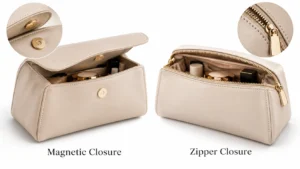
A makeup case or toiletry bag is more than a small storage pouch. For beauty brands, wholesalers, retailers, hotels, travel companies, and private label businesses, it is a practical product that affects daily use, travel convenience, shelf appeal, and customer satisfaction.
This guide explains what is usually packed inside a makeup case and toiletry bag, what design features buyers look for, which materials are commonly used, and how brands can develop a custom cosmetic bag that matches their target market.

Why Toiletry Bags Matter for Beauty Buyers
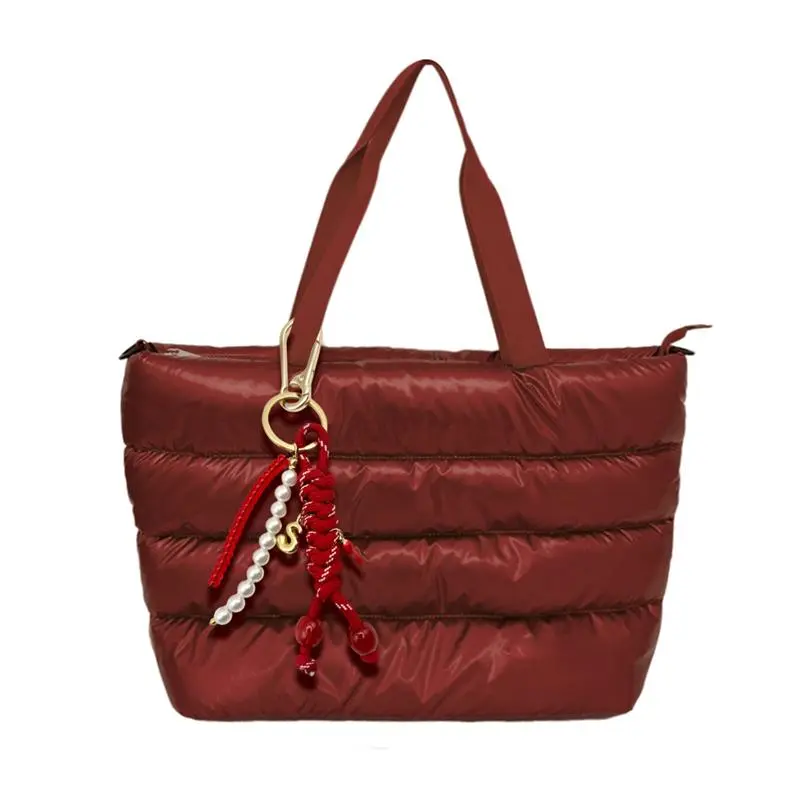
For B2B buyers, a toiletry bag is not only a simple travel accessory. It can be part of a beauty gift set, hotel amenity kit, retail collection, promotional campaign, subscription box, or private label cosmetic line.
From Daily Storage to Travel Organization
Consumers use toiletry bags to keep skincare, body care, oral care, and hair care products in one place. A well-designed travel toiletry bag helps users separate wet items, dry items, bottles, brushes, and small personal care tools.
Why Function Is as Important as Appearance
A beautiful bag may attract attention, but function decides whether customers continue using it. Buyers often care about compartment layout, lining quality, zipper smoothness, waterproof protection, and whether the bag can stand or open easily on a bathroom counter.
How Product Design Affects Buyer Experience
Good design reduces mess and improves convenience. For example, a wide-opening makeup case allows users to see products quickly, while inner pockets and elastic holders keep small items from moving around during travel.

What Is Usually Stored in a Makeup Case?
A makeup case is mainly used for cosmetics, beauty tools, and small skincare products. For brands, understanding what users place inside the bag helps define the right size, structure, material, and inner layout.
Daily Makeup Products
Common products include foundation, concealer, powder, blush, eyeshadow palette, mascara, eyeliner, lipstick, lip gloss, and setting spray. A compact makeup case is suitable for daily touch-ups, while a larger vanity case is better for full makeup routines.
Makeup Brushes and Beauty Tools
Many buyers prefer makeup cases with brush slots, elastic holders, or a separate brush flap. This helps protect brush heads and prevents makeup residue from spreading to other products.
Small Skincare Items
Mini moisturizer, sunscreen, eye cream, serum samples, cleansing balm, and facial mist are often stored together with makeup. For this reason, wipeable lining and stain-resistant fabric are important for custom cosmetic bag development.
Touch-Up Essentials for Travel or Work
Consumers often carry oil blotting paper, cotton pads, hair ties, mini perfume, compact mirror, and small tools. Brands targeting commuters, students, and travelers may choose a lightweight makeup case with simple compartments.

What Is Usually Packed in a Toiletry Bag?
Compared with a makeup case, a toiletry bag usually carries more personal care and bathroom products. It may need stronger waterproof protection, a larger capacity, and better separation for wet and dry items.
Skincare and Body Care Products
Face wash, toner, moisturizer, sunscreen, body lotion, shower gel, and cleansing products are common toiletry bag items. If the product is designed for travel, buyers should consider bottle height and whether the bag can hold upright containers.
Hair Care and Oral Care Items
Shampoo, conditioner, comb, hairbrush, toothbrush, toothpaste, floss, and mouthwash are often packed inside. For family travel or hotel gift sets, a larger toiletry bag with several compartments can improve usability.
Travel-Size Bottles and Containers
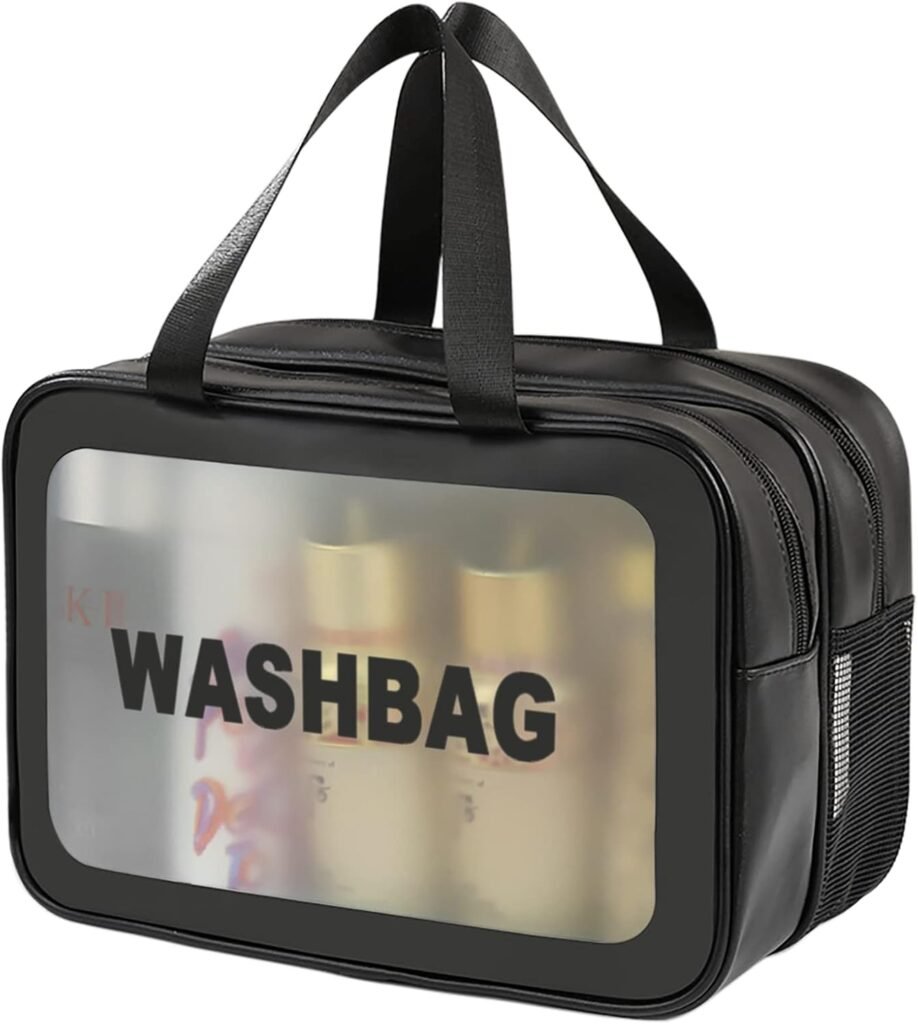
Travel-size containers are a major reason consumers need toiletry bags. Clear PVC or TPU bags are popular because users can see the contents quickly and separate liquids from other items.
For U.S. air travel, buyers often check official liquid rules before choosing bottle sizes and clear bag designs.
Wet Items That Need Waterproof Protection
Wet bottles, shower products, razors, and bathroom tools can leak or leave moisture inside the bag. This is why waterproof lining, sealed seams, easy-clean material, and protective packing are important selling points for toiletry bags.

Key Design Features Buyers Look For in a Makeup Case and Toiletry Bag
When developing a makeup case or toiletry bag for wholesale or private label projects, buyers usually compare appearance, structure, practicality, and production cost at the same time.
Multiple Compartments for Better Organization
Multiple compartments help users separate makeup, skincare, tools, bottles, and personal care items. Common structures include mesh pockets, zipper pockets, elastic loops, dividers, brush panels, and transparent inner sections.
Brush Slots and Elastic Holders
Brush slots are useful for makeup-focused designs. Elastic holders can also secure small bottles, mascara, lip products, eyebrow pencils, or travel containers.
Wide Opening and Easy Access
A wide-opening structure allows users to see everything inside the bag. This is especially useful for travel makeup bags, vanity cases, and larger toiletry organizers.
Lightweight but Durable Structure
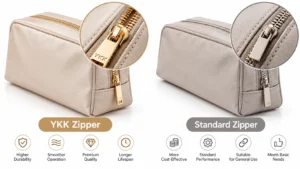
A good custom cosmetic bag should feel light but still hold its shape. Padded materials, reinforced handles, strong stitching, quality zippers, and stable lining can improve the product’s perceived value.

Popular Materials for Makeup Cases and Toiletry Bags
Material selection affects cost, appearance, durability, waterproof performance, and brand positioning. A custom cosmetic bag manufacturer can usually recommend different material options based on target price and product use.
Nylon and Polyester for Daily and Travel Use
Nylon and polyester are practical choices for travel makeup bags and toiletry bags. They are lightweight, flexible, easy to clean, and suitable for different colors, prints, and structures.
Clear PVC or TPU for Visibility
Clear PVC and TPU are often used for transparent cosmetic bags, airport-friendly toiletry bags, gift sets, and retail display collections. TPU usually offers a softer and more premium hand feel, while PVC is commonly used for cost-effective transparent designs.
PU Leather for a Premium Look
PU leather gives a makeup case a more polished appearance. It is often used for vanity cases, gift collections, luxury-inspired cosmetic bags, and private label beauty packaging.
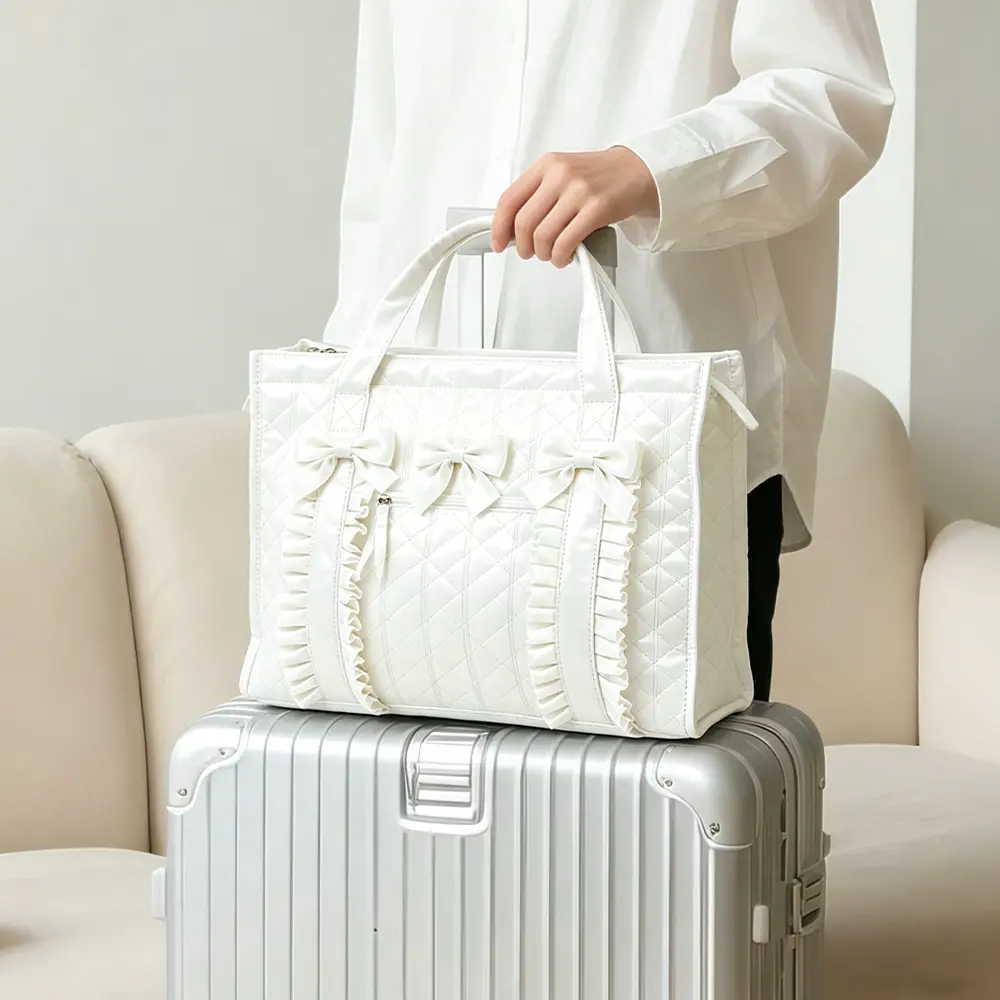
Quilted and Padded Fabrics for Gift Collections
Quilted fabrics, padded nylon, velvet, satin, and soft-touch materials are popular for holiday sets and beauty gift collections. These materials create a stronger lifestyle feeling and can help the product look more gift-ready.

Custom Design Ideas for Brands and Wholesalers
For private label brands and wholesalers, customization is the key to turning a basic makeup case or toiletry bag into a branded product. The right custom details can make the product more recognizable and easier to sell.
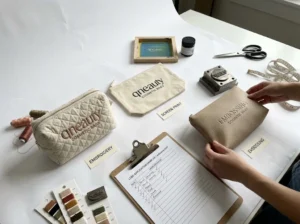
Logo Printing, Woven Labels, and Metal Plates
Common branding options include silkscreen printing, heat transfer logo, embroidery, woven label, rubber patch, metal plate, embossing, and debossing. The best option depends on the material, order quantity, price range, and brand image.
Custom Zippers, Pullers, and Interior Labels
Zipper quality is one of the details buyers notice quickly. Custom zipper pullers, branded sliders, inner labels, and color-matched zipper tapes can make the bag look more complete.
Color Matching for Brand Collections
Pantone color matching helps brands build consistent collections. Neutral colors, soft pastels, seasonal colors, and transparent finishes are often used for modern beauty and travel collections.
Retail-Ready Packaging Options
Packaging options may include OPP bags, hang tags, barcode labels, insert cards, display boxes, gift boxes, and custom belly bands. For retail buyers, packaging should protect the product and make inventory handling easier.

Procurement Tips Before Developing a Makeup Case or Toiletry Bag
Before placing a bulk order, buyers should confirm the product details clearly. This helps reduce sampling revisions, control cost, and improve production efficiency.
Confirm Size Based on Product Use
A small makeup pouch is suitable for lipstick, powder, and touch-up products. A medium travel makeup bag can hold daily cosmetics and skincare minis. A large toiletry bag is better for bottles, body care products, and family travel.
Choose Materials Based on Target Price Range
Buyers should confirm whether the bag is for mass retail, premium gifting, travel promotion, hotel use, or private label beauty packaging. The target price range will influence fabric, lining, zipper, logo process, and packaging choice.
Check Lining, Stitching, and Zipper Quality
The outside appearance is important, but inner quality also affects customer satisfaction. Buyers should check whether the lining is clean, the stitching is straight, the zipper runs smoothly, and the corners are properly finished.
Request Samples Before Bulk Production
A sample allows buyers to check size, structure, fabric hand feel, logo effect, zipper quality, and packing method before mass production. For custom cosmetic bag projects, sample approval is an important step before confirming the final bulk order.

FAQ
What is the difference between a makeup case and a toiletry bag?
A makeup case is mainly designed for cosmetics, brushes, and beauty tools. A toiletry bag usually holds skincare, body care, oral care, hair care, and travel-size bottles. Some travel cosmetic bags combine both functions.
What size makeup case is best for travel?
For short trips, a compact or medium makeup case is usually enough for daily makeup and skincare minis. For longer trips, a larger makeup case with compartments, brush slots, and a wide opening is more practical.
Which material is best for a toiletry bag?
Nylon, polyester, PVC, TPU, and waterproof-coated fabrics are common choices. If visibility is important, clear PVC or TPU works well. If the brand wants a premium look, PU leather or padded fabric may be more suitable.
Can makeup cases be customized with a private label logo?
Yes. Makeup cases can be customized with logo printing, woven labels, embroidery, metal plates, embossing, custom zipper pullers, hang tags, and retail packaging.
What should brands check before ordering custom cosmetic bags?
Brands should confirm size, material, lining, zipper quality, stitching, logo method, packaging, sample cost, MOQ, production lead time, and shipping requirements before placing a bulk order.

Conclusion: A Good Makeup Case or Toiletry Bag Starts with Real User Needs
A makeup case or toiletry bag should look attractive, but it must also solve real storage problems. For B2B buyers, the best product is not only about color or logo. It should match the end user’s routine, travel habits, product quantity, target retail price, and brand positioning.
Future trends in custom cosmetic bags will continue to focus on lightweight travel structures, waterproof materials, clear compartments, soft padded textures, recycled fabrics, minimalist branding, and retail-ready packaging. Brands that combine practical organization with a strong visual identity will have a better chance to create repeatable and sellable collections.
If you are developing a private label makeup case, travel toiletry bag, or custom cosmetic bag collection, prepare your target size, material preference, logo method, quantity, and packing requirements before requesting a quote.
Contact Q&N Cosmetic Bag Factory for a Custom Quote

Aries Gu is the founder of Q&N. With over 17 years of experience in cosmetic bag OEM/ODM source factory. He focuses on quality control, efficient communication, and on-time delivery for global cosmetic bag projects.