The best tote bag is not simply the one that carries the most. It is the one that balances capacity, comfort, durability, and style in a way that fits real life. That sounds obvious, yet many shoppers still end up with a tote that looks good online but feels frustrating in daily use. It slips off the shoulder, turns into a black hole with no organization, collapses when set down, or becomes too heavy the moment it is actually full.
That is why the tote bag remains such an important category. It sits at the intersection of fashion and function. One bag may need to handle a laptop, water bottle, notebook, and lunch during the week, then shift into a shopping, travel, or weekend role on Saturday. In a category like that, good design details matter far more than trend hype.
The market supports that importance. Grand View Research estimates the global tote bag segment at USD 23.24 billion in 2024, with growth projected through 2030, while the broader handbag market reached USD 56.48 billion in 2024. That tells us two things: tote bags are commercially significant, and consumers continue to invest in bags that combine utility with identity. North America was the largest tote-bag revenue market in 2024, which aligns with the tote’s strong role in everyday work, shopping, and travel routines.
This guide explains why tote bags stay popular, what makes the best tote bag, how to choose the right size and material, what common design problems to avoid, and which real-world examples show the difference between a merely roomy bag and a genuinely great one. It is written for Western shoppers and brands that want practical, trustworthy, search-friendly guidance rather than generic listicles.
Contents
- Why Tote Bags Are So Popular
- What Makes the Best Tote Bag
- Best Tote Bags for Different Needs
- How to Choose the Right Tote Bag Size
- Which Materials Are Best for Tote Bags
- Common Problems With Tote Bags
- Case Studies, Pros and Cons
- Future Trends and Final Advice
- FAQ
Why Tote Bags Are So Popular
Suggested image alt: Woman carrying a structured everyday tote bag with laptop and essentials in an urban setting.
Why tote bags have stayed popular for so long
The tote bag has survived trend cycles because it solves a daily problem better than most handbag formats. It offers open, flexible storage, easy access, and enough visual simplicity to work across many wardrobes. Unlike more trend-specific shapes, a tote can feel equally right with tailoring, denim, gym clothes, or airport layers.
That staying power also shows up in the market. Grand View Research estimates the tote bag subcategory will grow from about USD 23.24 billion in 2024 to more than USD 33.17 billion by 2030. In other words, tote bags are not just familiar. They are still gaining commercial momentum.
Why tote bags work across so many life scenarios
The tote’s biggest advantage is versatility. One well-designed tote can function as a work bag, shopping bag, gym companion, travel personal item, or weekend carryall. Vogue summarized the modern expectation clearly when it asked fashion stylists what they carry every day: the ideal bag must be spacious enough for essentials, versatile enough to go anywhere, and chic enough to reflect personal style. That description is almost a definition of the best tote bag.
That versatility matters even more in Western markets where consumers often want fewer, better accessories. A tote does not force a strict use case. It adapts.
Why minimalist design helps tote bags last longer
Minimalist bags age well because they depend on proportion, material, and construction rather than novelty alone. A clean tote with a balanced handle drop, stable base, and refined finish can last across multiple seasons of dressing. Even in 2026, when fashion editors are covering more personality, texture, and archival revivals, totes continue to return because they combine practicality with quiet style.
| Why Totes Endure | What It Means in Real Life |
|---|---|
| Open, flexible shape | Easy to use for different routines |
| Simple silhouette | Works across outfits and seasons |
| High utility | Useful for work, shopping, and travel |
| Wide material range | Can be casual, sporty, or premium |
What Makes the Best Tote Bag
Suggested image alt: Close-up of a premium tote bag showing reinforced handles, zipper closure, and structured base.
Why capacity and structure matter equally
People often judge a tote by capacity first. That is only half the story. A bag can be large and still be poorly designed. Without structure, larger volume quickly becomes chaos. Items slide to the bottom, small objects disappear, the base sags, and the bag feels heavier than it should because the load is not controlled.
The best tote bag balances interior space with enough architecture to keep that space usable. That might mean a firmer base panel, a lightly padded laptop sleeve, a top closure, or simply a pattern that helps the bag hold shape without feeling rigid.
How fabric, handles, and hardware affect durability
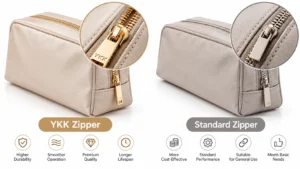
The materials and load points of a tote matter more than the silhouette itself. Fabric quality determines abrasion resistance, weight, and long-term appearance. Handles affect comfort and perceived weight. Hardware affects security and ease of use. A beautiful bag with weak stitching where the handles join the body is still a weak bag.
The L.L.Bean Boat and Tote offers a useful historical case study here. The bag began life in 1944 as the L.L.Bean Ice Carrier, built from heavy canvas with reinforced construction and tested to hold up to 500 pounds. That level of ruggedness is extreme for most modern tote users, but it illustrates the principle: when the handles, seams, and base are engineered correctly, the tote becomes genuinely dependable rather than merely stylish.
What details separate a good tote from a great one
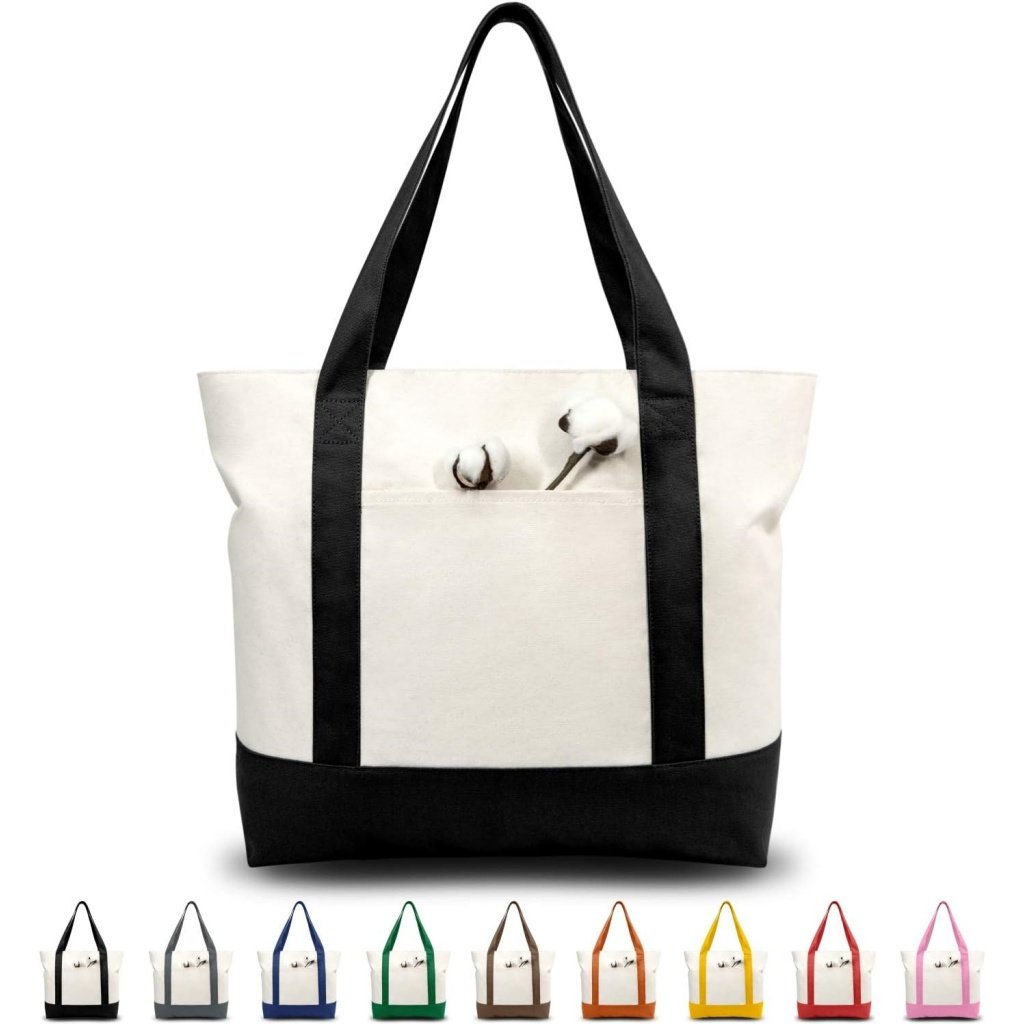
A great tote should have at least some of the following: comfortable handle drop, strong stitching at stress points, a stable bottom, useful pockets, a closure that matches the use case, and enough structure to stop the contents from collapsing into each other. For work, a laptop sleeve or padded divider can be a major upgrade. For travel, zip closure and lighter weight matter more. For shopping or beach use, wipe-clean interiors and a broad base may matter most.
Expert take: The best tote bag is not the one with the longest feature list. It is the one whose details match the user’s actual load and routine.
- Check the handle comfort with real weight, not just empty-bag photos.
- Look at the seam reinforcement where handles meet the body.
- Notice whether the base stands up or collapses.
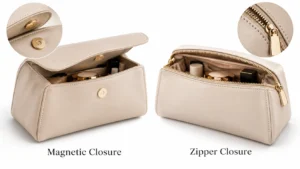
- Ask whether the closure fits your lifestyle: open top, magnetic, or zip.
Best Tote Bags for Different Needs
Suggested image alt: Comparison of work tote, shopping tote, and travel tote arranged side by side.
What kind of tote bag works best for commuting
For commuting, the best tote bag is usually medium to large, structured enough for a laptop and daily essentials, and comfortable on the shoulder for longer wear. Organization matters more here than in casual totes. A commuter tote should help you separate technology, documents, and personal items so the bag feels professional instead of cluttered.
Vogue’s 2026 roundup of stylist-approved everyday handbags reinforces this standard. Stylists repeatedly emphasized space, versatility, and durability, and one stylist described a tote as the perfect size for a laptop, gym kit, and toiletries while still looking good after a year of heavy use. That is exactly the benchmark most commuters need.
What works best for shopping and weekend use
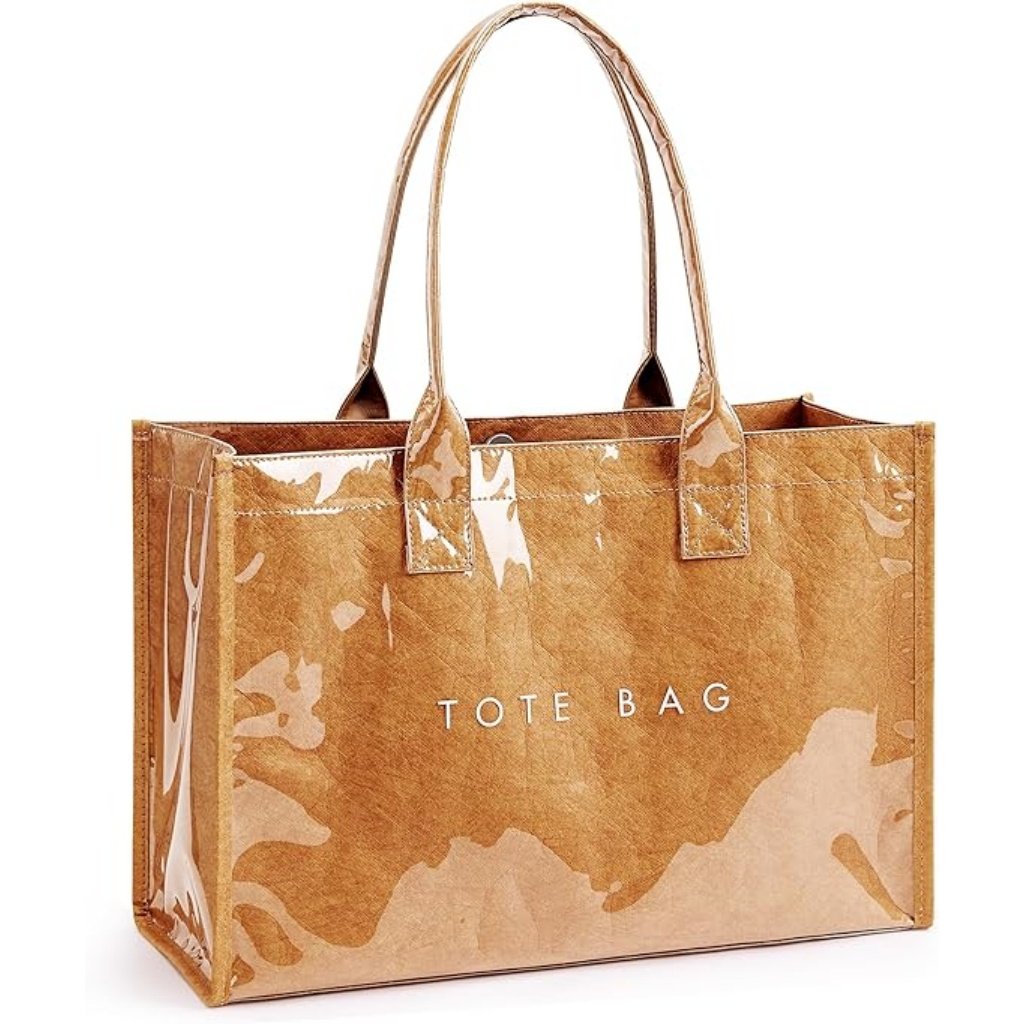
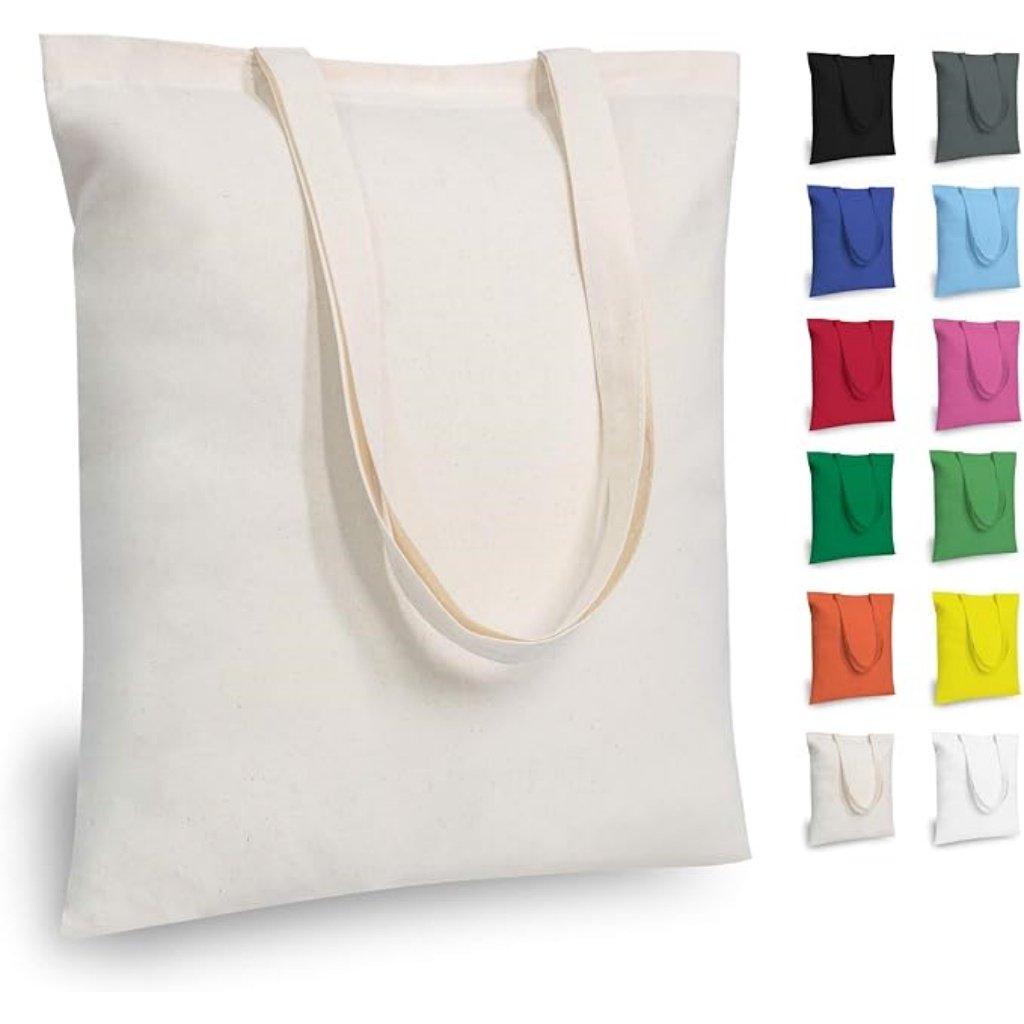
For shopping and weekends, openness can be an advantage. You may want faster access, less internal structure, and more flexible space for produce, layers, books, or everyday errands. This is where classic canvas and shopper-style totes excel. They feel casual, durable, and generous.
The L.L.Bean Boat and Tote remains a strong example. Travel + Leisure called out its near-cult status in 2026 and praised how well it balances durability and versatility. That kind of bag succeeds because it behaves like gear, not a fragile accessory.
What works best for travel and short trips
Travel totes need a different balance. Weight, packability, and closure become more important. Travel + Leisure’s 2026 tests highlighted the Longchamp Le Pliage Large Shoulder Tote as a fan-favorite because it folds down compactly, stays lightweight, and still expands enough for everything from daily essentials to a change of clothes. That makes it an excellent case study in why travel totes often win through lightness and adaptability rather than heavy structure alone.
At the same time, travel experts also warn that an open-top tote is not always the best weekender bag. Travel + Leisure noted in a packing guide that an open-top Boat and Tote can let contents spill when it tips over. That is a useful reminder: the best tote for errands is not automatically the best tote for transit.
| Need | Best Tote Direction | Priority Feature |
|---|---|---|
| Commuting | Structured medium-large tote | Organization and shoulder comfort |
| Shopping | Open canvas or shopper tote | Capacity and durability |
| Weekend errands | Flexible lightweight tote | Easy access |
| Travel | Lightweight foldable tote with closure | Packability and security |
How to Choose the Right Tote Bag Size
Suggested image alt: Small, medium, and large tote bags shown on models for scale comparison.
What small, medium, and large totes are best for
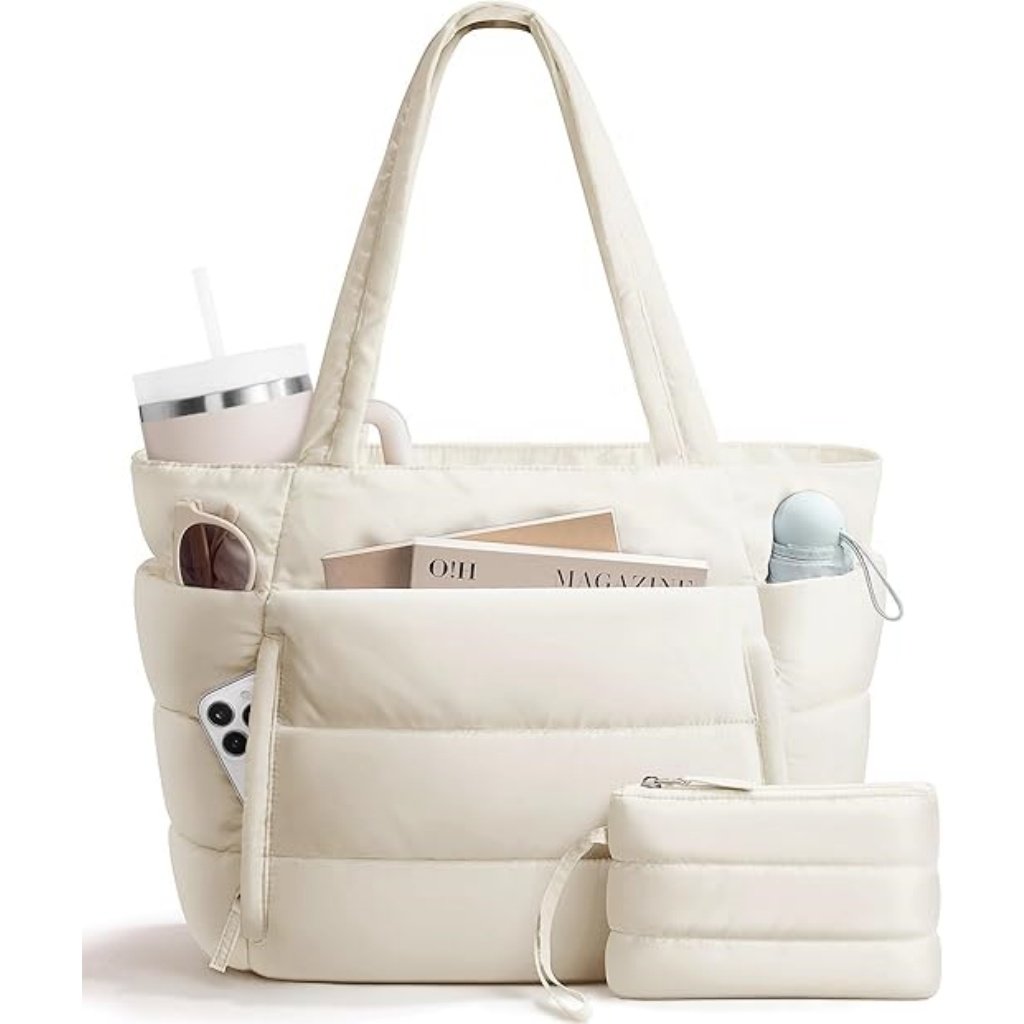
Small totes work best for light daily use, lunch outings, or minimalist routines. Medium totes are often the most practical overall because they balance usability with comfort. They usually fit daily essentials, a small notebook, sunglasses case, water bottle, and cosmetic pouch without becoming oversized. Large totes are strongest for work, shopping, or travel, but only when the user truly needs the volume.
Why bigger is not always better
Large bags often look useful in product descriptions because more capacity sounds better. In real life, excess volume can create new problems. The bag gets heavier, the contents shift, the handle pressure increases, and the silhouette can overwhelm the body. This is why many “carry-all” totes are impressive in theory but exhausting in practice.
The best tote bag size is the one that fits your largest regular item with a little room around it, not the one that invites maximum packing every day.
How to choose size based on height and outfit proportion
Scale affects both comfort and appearance. A very large tote can look elegant on a taller frame or with oversized outerwear, but bulky on a petite wearer or with light summer clothing. Small and medium totes often feel more balanced with streamlined outfits, while larger totes work better when the rest of the look can visually support them.
Expert take: Think about the bag as part of the outfit’s silhouette. A tote should support your proportions, not dominate them.
Simple sizing guide
- Small tote: essentials, lunch, light errands
- Medium tote: daily all-rounder for most people
- Large tote: laptop, work gear, shopping, short travel
Which Materials Are Best for Tote Bags
Suggested image alt: Material comparison of canvas tote, nylon tote, PU tote, and leather tote in a clean studio layout.
What canvas, nylon, PU, and leather each do best
Canvas is the classic utility material. It feels grounded, casual, and highly durable when the weight and weave are right. Nylon is lighter, often more weather-friendly, and ideal for travel or active routines. PU can create a cleaner, more polished look at a lower cost than leather, though the finish quality matters greatly. Leather remains the premium benchmark for many shoppers because it combines status, durability, and timeless appeal.
Grand View Research’s broader handbag data supports that hierarchy: leather held the largest material share in 2024 because of its luxury associations, durability, and long-term value, while the fabric segment is expected to grow as consumers seek lighter, more affordable, and more sustainable options such as organic cotton and recycled polyester.
Which materials are the lightest and most durable
If your priority is light weight, nylon usually wins. That is one reason travel totes like Longchamp’s Le Pliage continue to perform so well in testing. If your priority is ruggedness, heavy canvas remains one of the best performers, especially when paired with reinforced seams and a strong base. If your priority is long-term premium wear, leather usually offers the best aging potential, provided the construction is equally strong.
Which materials best suit premium or everyday style
For premium wardrobes, leather and suede-adjacent textures usually read most elevated. For daily life, coated canvas, nylon, or sturdy fabric often make more sense because they are easier to carry and worry less about. The strongest everyday tote is often not the most luxurious material, but the most appropriate one.
Fabric totes are also benefiting from a broader sustainability shift. Grand View Research notes that fabric handbags are gaining momentum because eco-conscious consumers increasingly favor recycled polyester, organic cotton, and other lower-impact materials. For brands and buyers alike, that makes material choice not only a style issue, but also a positioning decision.
| Material | Main Strength | Best Use |
|---|---|---|
| Canvas | Durable and casual | Shopping, weekends, everyday carry |
| Nylon | Lightweight and travel-friendly | Travel, commuting, weather-prone use |
| PU | Polished appearance at lower cost | Office and gifting |
| Leather | Premium feel and longevity | Work, investment pieces, elevated daily use |
Common Problems With Tote Bags
Suggested image alt: Overloaded tote bag showing lack of compartments, uncomfortable handles, and sagging bottom.
Why lack of compartments quickly becomes messy
Many shoppers say they want a simple tote, but the reality of daily use often proves otherwise. Without even minimal organization, large totes turn into catch-all spaces. Keys sink, small tech items vanish, cosmetics spill into larger objects, and retrieval becomes slow. This is why even a single zip pocket, bottle sleeve, or laptop divider can meaningfully improve the experience.
Why uncomfortable handles are a bigger problem than they seem
Handle discomfort changes everything. A tote may look spacious and attractive, but if the straps dig into your shoulder or are too short for a coat, the bag becomes annoying quickly. This is especially relevant for work users who carry weight daily. Handle width, drop length, edge finishing, and attachment position all influence comfort more than most shoppers realize.
How unstable bottoms and sagging affect everyday use
A tote with a weak bottom feels less premium and less practical. It tips over when set down, crushes smaller contents, and can distort the whole silhouette when partially full. Travel experts also point out that open or unstable totes are more likely to spill or feel unruly in transit. Good base design is not cosmetic. It directly affects function.
- Avoid choosing a tote by appearance alone.
- Test whether the handle drop fits your shoulder and coat layers.
- Choose at least basic interior organization for daily use.
- Look for a reinforced or structured base if you carry weight often.
Case Studies, Pros and Cons
Suggested image alt: Editorial flat lay featuring an L.L.Bean-style canvas tote and a foldable nylon travel tote.
Case study: why the Boat and Tote became an American classic
The L.L.Bean Boat and Tote is a strong example of how functional engineering can create lasting icon status. It began as a problem-solving ice carrier in 1944 and built its reputation on heavy-duty construction, reinforced load points, and rugged canvas. Decades later, editors still highlight it because it continues to solve the same problem: carrying a lot, reliably. That longevity is one reason it remains a benchmark for canvas totes.
Case study: why Le Pliage remains a travel favorite
Longchamp’s Le Pliage Large Shoulder Tote succeeds for the opposite reason. It is not defined by rugged heaviness, but by lightness and flexibility. Travel + Leisure’s 2026 testing praised its foldability, low weight, and ability to expand from daily essentials to extra travel load. This shows that the “best tote bag” does not follow one formula. Different use cases reward different strengths.
Pros and cons of tote bags overall
| Pros | Cons |
|---|---|
| High capacity and flexibility | Can become disorganized without compartments |
| Works across many scenarios | Open-top styles may be less secure |
| Available in many materials and price levels | Large sizes can become heavy quickly |
| Easy to style with many wardrobes | Poor handle design can reduce comfort |
| Ideal for shoppers who want one bag to do more | Weak structure can cause sagging and clutter |
What these examples teach shoppers and brands
The tote category rewards clarity of purpose. A rugged canvas tote should lean into durability. A travel tote should lean into lightness and closure. A work tote should lean into organization and comfort. The mistake is trying to make one bag look universal without actually designing it around a real scenario.
Future Trends and Final Advice
Suggested image alt: Modern tote bag collection in leather, recycled fabric, and lightweight nylon arranged for trend forecasting.
What tote bag trends are shaping 2026 and beyond
The bigger direction is not simply “bigger bags” or “smaller bags.” It is smarter utility. Grand View Research points to continuing handbag growth, leather’s premium strength, and rising consumer interest in fabric-based options tied to sustainability. Vogue’s 2026 coverage also shows that while fashion cycles shift between slouchy bags, revived archival shapes, and personality-driven pieces, roomy practical bags keep returning because they remain useful.
What shoppers should prioritize now
Prioritize fit with your actual routine. If you commute, focus on structure and comfort. If you travel often, focus on weight and closure. If you shop or spend weekends outdoors, focus on durability and easy access. If you want one elevated everyday option, focus on proportion, handle quality, and material finish.
Final summary and CTA
The best tote bag should balance capacity, comfort, durability, and style rather than simply maximizing storage. A good tote carries your essentials. A great one improves how you move through the day. If you are comparing designs, sourcing materials, or planning a tote collection for your brand, explore more bag development ideas and construction options at Q&N Bags.
FAQ
Suggested image alt: FAQ graphic showing tote bag organization, size comparison, and material options.
What makes a tote bag the best for everyday use?
The best everyday tote bag combines practical capacity with comfort, organization, and durability. It should fit your real essentials without becoming too heavy or messy.
What material is best for a tote bag?
It depends on the use case. Canvas is excellent for durability, nylon is ideal for lightness and travel, PU offers a polished look at a lower cost, and leather is often the strongest premium option for long-term style.
Are tote bags good for travel?
Yes, especially lightweight totes with a secure closure. Foldable travel totes are particularly useful because they add capacity without taking much packing space.
What size tote bag is most practical?
For most people, medium is the most practical size because it balances storage and comfort. Large totes are best when you regularly carry a laptop, documents, or extra layers.
How do I keep a tote bag organized?
Choose a tote with at least basic compartments, or use pouches to separate categories such as tech, beauty, and personal items. A structured base also helps keep contents in place.
Is an open-top tote bad?
Not always. Open-top totes are great for shopping, light errands, and quick access. They are less ideal when you need higher security, cleaner organization, or more stable travel packing.
Aries Gu is the founder of Q&N. With over 17 years of experience in cosmetic bag OEM/ODM source factory. He focuses on quality control, efficient communication, and on-time delivery for global cosmetic bag projects.