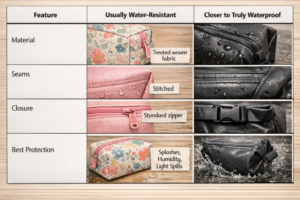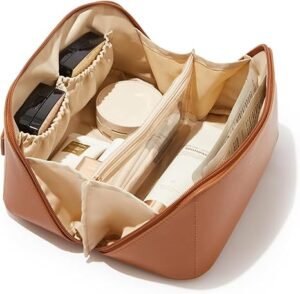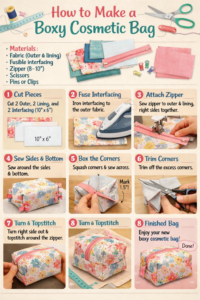
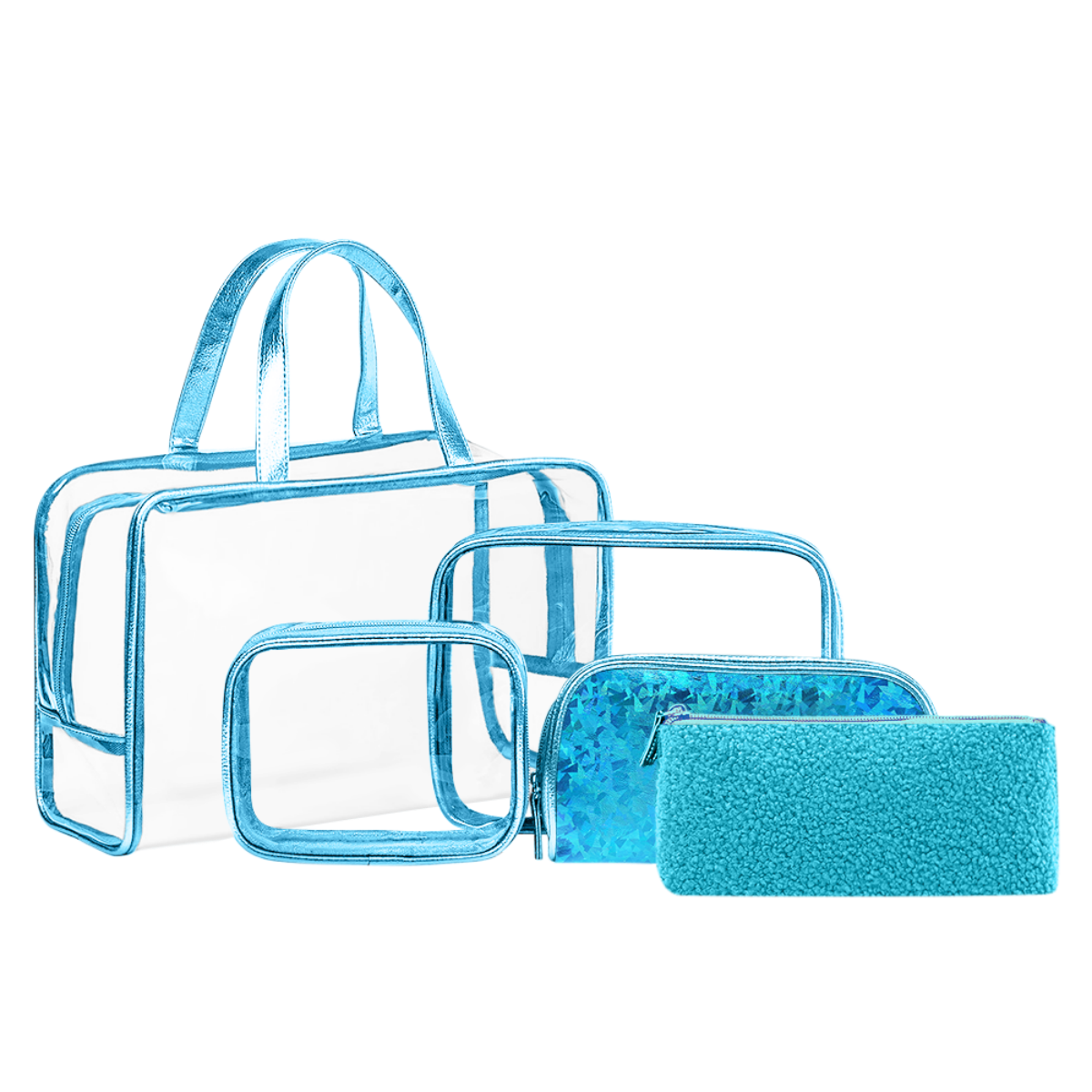
There is no single “perfect” cosmetic bag size for women, and that is exactly why so many people buy the wrong one. A bag that looks elegant online may be too slim for daily essentials. A roomy train case may feel impressive but become heavy, bulky, and annoying to carry. A handbag-sized pouch may work beautifully for lipstick and powder yet fail the moment you add sunscreen, mini skincare, or brushes. The right size is not about what looks biggest or most premium. It is about how well the dimensions match your routine, your products, and where the bag actually goes.
That question matters more than it used to. Beauty remains a resilient category, travel-size products continue to influence how people pack, and cosmetic bags are increasingly expected to work across home, commuting, and travel. Circana reported that the U.S. prestige beauty market reached $16 billion in the first half of 2025, while mass beauty sales at mass merchants rose to $34.6 billion. Grand View Research estimated the global cosmetic packaging market at $32.67 billion in 2023, with continued growth projected through 2030. As beauty routines become more portable, the size of a cosmetic bag becomes a practical performance question, not just a style decision. In this guide, you will learn how big a women’s cosmetic bag should be for different use cases, what typically fits in small, medium, and large sizes, how shape changes capacity, and how brands decide final dimensions.
Table of Contents
- Why Cosmetic Bag Size Matters
- Standard Cosmetic Bag Sizes for Women
- How to Choose the Right Size Based on Use
- What Can Fit in Different Cosmetic Bag Sizes
- How Shape Changes Capacity
- Size vs Portability: What Matters Most
- How Brands Decide Cosmetic Bag Dimensions
- Explore Different Cosmetic Bag Options at QN Bags
- Conclusion and CTA
- FAQ
1. Why Cosmetic Bag Size Matters
Why size directly affects the user experience
A cosmetic bag is one of those accessories where size changes everything. If the bag is too small, you end up forcing products inside, damaging caps, scratching compacts, and making quick access almost impossible. If the bag is too large, it becomes a catch-all storage zone for products you do not really need. That leads to weight, clutter, and slower routines. The best bag size reduces friction. It gives you enough space for your actual essentials while still being easy to carry, clean, and organize.
This is not just a home-organization question. In beauty retail, storage and portability increasingly shape the user experience around the product itself. Grand View Research notes continued growth in cosmetic packaging, driven in part by demand for convenience and design. A cosmetic bag sits close to that same consumer expectation: beauty should travel well, stay organized, and feel easy to manage.
What goes wrong when the bag is too small or too large?
A too-small bag usually creates pressure points. Zippers catch on tube caps. Brushes bend. Powders crack. Users also stop returning products to the right place because fitting them back in becomes frustrating. A too-large bag creates the opposite problem. Products slide around, heavier items sink to the bottom, and users start carrying backups, samples, and low-priority items they do not actually use. Both extremes reduce efficiency.
| Bag Problem | What Happens in Real Use | Main Result |
|---|---|---|
| Too small | Overstuffing, hard access, product pressure | Stress, breakage, poor usability |
| Too large | Clutter, excess weight, wasted space | Mess, slower routines, overpacking |
| Right size | Easy access, balanced load, good product visibility | Better daily function |
Why different situations require different capacities
A bag that works inside a handbag does not necessarily work for vanity storage. A vanity case that stores full-size skincare is not ideal for a short lunch outing. A weekend travel bag may feel too large for daily commuting but too small for a week-long trip. That is why cosmetic bag sizing should always begin with context: daily carry, home use, short travel, or long travel.
Case Study: InStyle’s makeup bag testing focused on real-world use across airplanes, trains, workdays, and bathroom counters rather than only shelf appeal. That matters because the “best” bag in testing often varied by situation. Some bags were praised for roomy travel capacity, while others won for compact daily convenience. In practice, size only feels right when it matches the setting.
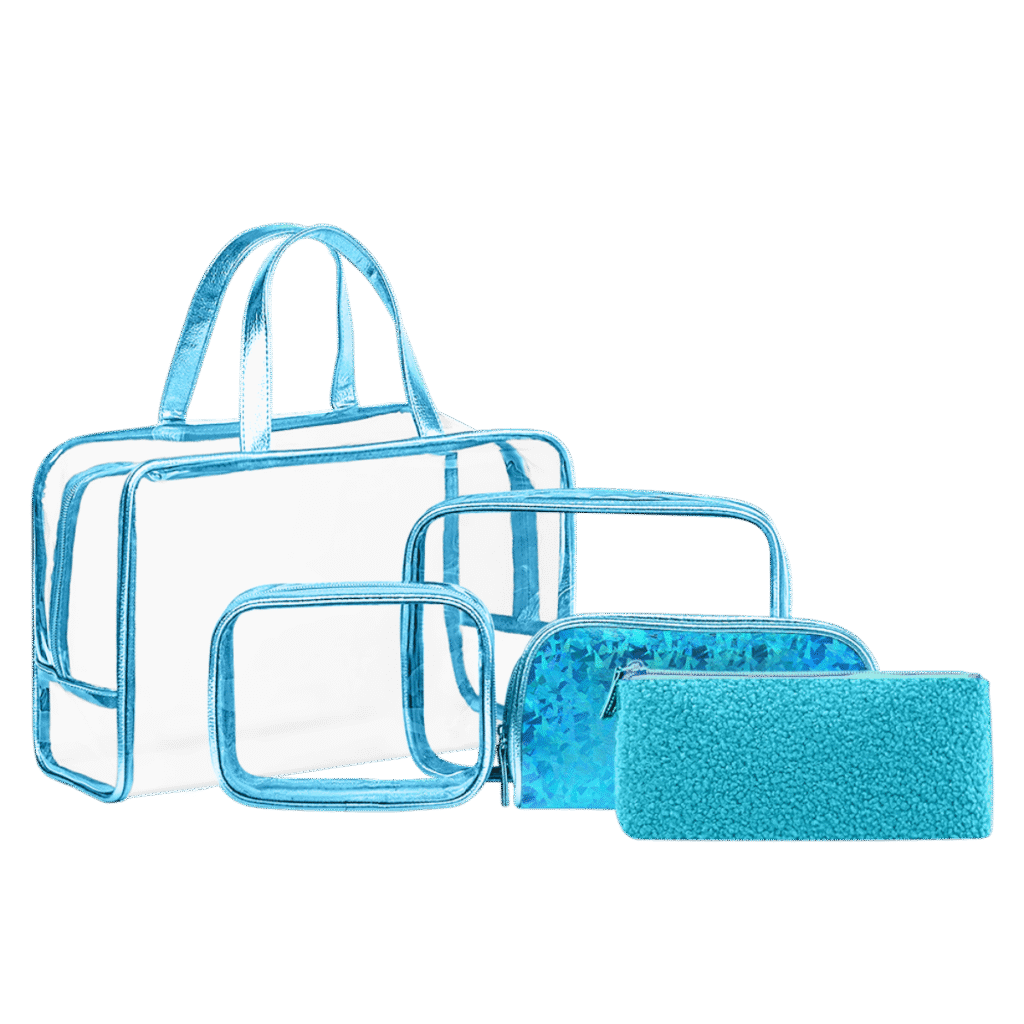
Suggested image alt: “Small medium and large cosmetic bags compared to show why size changes everyday usability”
2. Standard Cosmetic Bag Sizes for Women
What counts as a small cosmetic bag?
Small cosmetic bags usually fall in the range of about 6 to 8 inches across the main width, depending on shape. In travel-brand guidance, BÉIS describes small toiletry or cosmetic pouch sizing in the 6–8 inch range for short trips and compact carry. These bags are ideal for the basics: lip products, compact powder, concealer, a mini mirror, and a few emergency items. They are especially practical when the bag must fit inside a handbag, tote organizer, or office carry.
Why medium cosmetic bags are so popular
Medium sizes are often the sweet spot because they balance capacity and portability. BÉIS’s travel size guidance places medium bags around 8–10 inches, and this range makes sense across many categories. A medium cosmetic bag usually fits daily makeup, a few tools, and selected mini skincare items without becoming bulky. That is why it is one of the most common choices for women who want one bag to work for both home touch-ups and short travel.
How big are large travel cosmetic bags?
Large cosmetic bags often begin around 10 inches wide and go upward from there, especially if they are boxy or deep. CALPAK’s large clear cosmetics case, for example, is listed at 11.25 x 9 x 5.75 inches with a 9.5-liter capacity. That is firmly in the travel-friendly, high-capacity category. Large hanging and family-oriented travel bags can be even more generous. BAGSMART, for instance, describes medium and large hanging formats sized for 3–5 day trips or larger family packing scenarios.
| Size Band | Typical Width Range | Best For | Common Drawback |
|---|---|---|---|
| Small | About 6–8 inches | Handbag carry, daily essentials | Limited room for brushes or skincare |
| Medium | About 8–10 inches | Daily use plus short travel | Can become cluttered if overpacked |
| Large | 10 inches and up | Travel, vanity storage, fuller routines | Less portable and easier to overload |
These ranges are not strict industry standards, but they are useful retail conventions. They reflect how product brands and consumers tend to classify cosmetic bags in actual shopping behavior.
Expert sizing rule: Width alone does not tell the full story. A slim 10-inch pouch can hold less than a structured 8.5-inch boxy case with better depth and internal organization.
Suggested image alt: “Standard women’s cosmetic bag size chart showing small medium and large dimensions”
3. How to Choose the Right Size Based on Use
What size works best for daily handbag carry?
If the cosmetic bag needs to live inside a handbag, smaller is usually smarter. A width around 6–8 inches with a low-to-moderate depth is often enough for lip care, a compact, blotting sheets, a mirror, and one or two tools. The priority here is easy carrying, not full-routine storage. If the bag becomes too deep, it starts competing with your wallet, sunglasses case, chargers, and other daily items.
What size works best for vanity or dresser storage?
At home, the bag does not need to be ultra-compact. What matters more is access and visibility. Medium or large boxy bags usually work better on a vanity because they stand up, open wider, and allow you to see products instead of stacking them tightly. A flat pouch can still work at home, but it is better for edited routines than for larger product collections.
What size is best for short trips versus long trips?
For a short trip, a medium cosmetic bag usually offers the best compromise. It holds daily makeup plus travel-size skincare without feeling oversized. For longer travel, large bags become more practical, especially if you carry both beauty and toiletries. Travel-specific advice from brands like BÉIS and TSA’s quart-size liquid rules also support the idea that travel packing should be edited by trip length and carry-on constraints rather than by habit. If your liquids must fit in one quart-size bag for carry-on screening, the size and structure of your cosmetic kit become even more important.
| Use Case | Best Size | Why It Works |
|---|---|---|
| Everyday handbag | Small | Fits the basics without taking over the bag |
| Home vanity | Medium to large | More visibility and easier product grouping |
| Weekend travel | Medium | Enough for mini skincare and makeup essentials |
| Longer travel | Large | Better for layered routines and full kit packing |
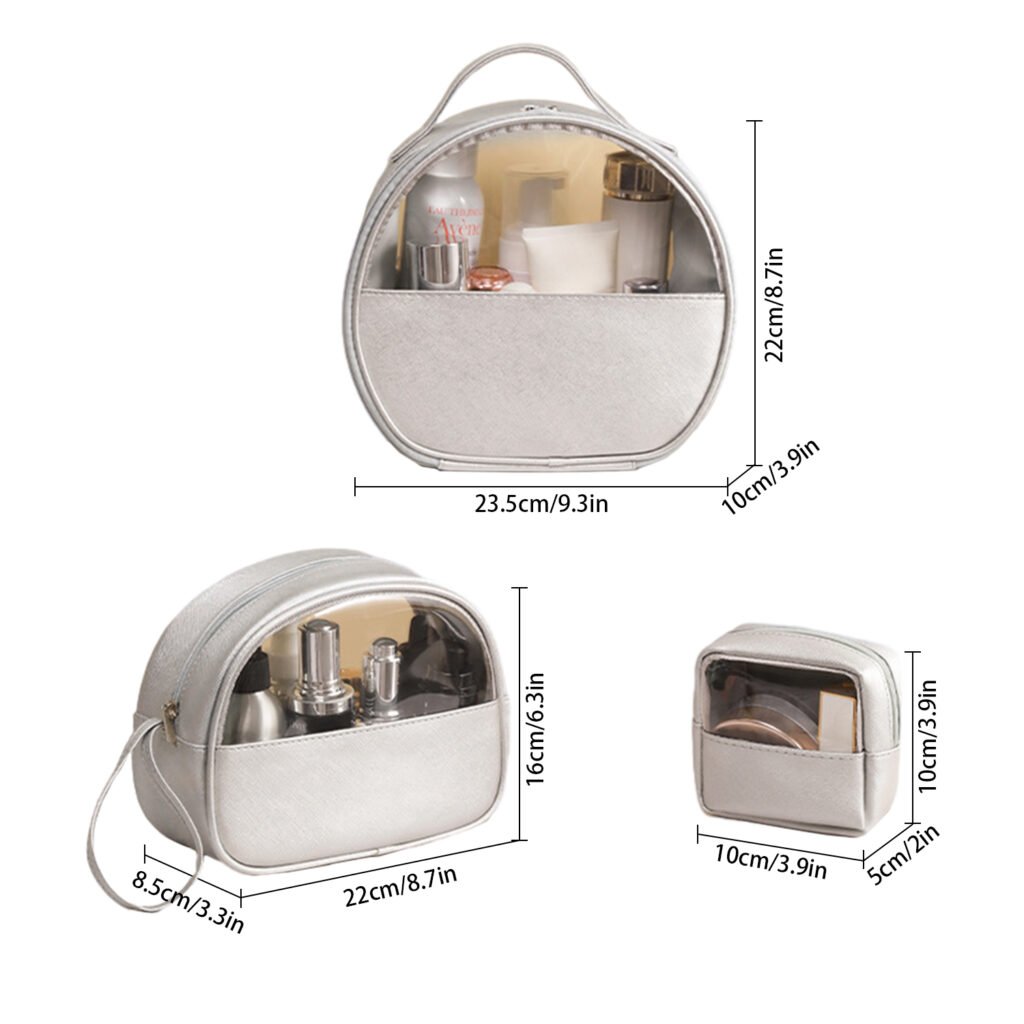
Suggested image alt: “Women’s cosmetic bag sizes matched to daily carry vanity storage weekend trips and long travel”
4. What Can Fit in Different Cosmetic Bag Sizes
What usually fits in a small cosmetic bag?
A small cosmetic bag typically holds basic touch-up items: one or two lip products, a pressed powder or blotting sheets, concealer, a mini mirror, a few cotton swabs, and perhaps a hair tie or bandage. It works best when every item has a reason to be there. This is not the right format for full brushes, tall skincare, or too many product categories.
What fits in a medium cosmetic bag?
A medium bag usually accommodates a more complete daily routine: foundation or concealer, one powder product, a lip item, a blush or multipurpose tint, a few brushes or tools, and some mini skincare. This is the most common size because it feels useful without becoming excessive. It is also often the best “bridge” size for women who want one bag for both commuting and overnight travel.
Can a large cosmetic bag hold both skincare and makeup?
Yes, often comfortably. That is the main appeal of larger boxy and vanity-style bags. A large bag can usually hold serums, moisturizer, sunscreen, makeup basics, brushes, and small accessories in one place, especially if the interior is compartmentalized. But this is also where discipline matters. A larger bag makes it easy to carry products “just in case” instead of products you truly use.
| Bag Size | What It Usually Fits | Who It Suits Best |
|---|---|---|
| Small | Lip balm, lipstick, compact, concealer, mirror | Minimalists and daily touch-up users |
| Medium | Daily makeup kit plus a few mini skincare items | Most women |
| Large | Skincare, makeup, tools, brushes, travel accessories | Travelers, fuller routines, vanity users |
Case Study: Travel editors and testers often highlight different bags for different “load styles.” InStyle’s testing and product roundups from major retailers repeatedly show a pattern: structured medium bags are favored for everyday and short-trip flexibility, while large clear or train-case styles are praised when users need to hold more categories at once.
Suggested image alt: “Products laid out beside small medium and large women’s cosmetic bags to show real capacity”
5. How Shape Changes Capacity
Flat pouches, boxy bags, and barrel shapes do not hold the same way
Two cosmetic bags can have similar width measurements and still feel completely different in use. A flat pouch is efficient for slim items but limited once products become taller or rounder. A boxy bag creates better vertical and horizontal volume, making it easier to fit bottles, compacts, and mini jars. A barrel-shaped or dome-shaped bag can feel roomy in the middle but less efficient at the edges.
How internal layers change usable space
Compartments can improve or reduce effective capacity, depending on how they are designed. Well-planned pockets, brush sleeves, and elastic loops make the same dimensions feel larger because the products stay visible and upright. Poorly placed dividers do the opposite. They create dead zones that reduce flexibility. This is why some smaller structured bags feel more usable than larger unstructured ones.
| Bag Shape | Main Strength | Main Limitation |
|---|---|---|
| Flat pouch | Lightweight and easy to fit in handbags | Less efficient for tall or bulky items |
| Boxy case | Better capacity and upright storage | Takes up more room in a tote or suitcase |
| Barrel / dome shape | Soft and roomy in the center | Can waste edge space and roll slightly |
| Hanging organizer | Excellent access in travel settings | Less suitable for everyday handbag use |
In practical terms, women often misjudge bag size because they look only at length or width. Shape and depth are equally important. A 9-inch boxy cosmetic bag can feel dramatically more useful than a 10-inch flat one.
Suggested image alt: “Flat boxy and barrel cosmetic bag shapes compared for internal capacity and organization”
6. Size vs Portability: What Matters Most
How do you balance carrying more with staying portable?
The biggest cosmetic bag is rarely the best one. Most women benefit more from a bag that carries exactly what they use than from one that can theoretically carry everything. Portability affects whether the bag is easy to pack, easy to find inside a tote, and realistic to bring every day. If a bag is too bulky, users often stop carrying it or begin removing items constantly. That weakens the whole purpose of having a ready kit.
Why lightweight often matters more than raw capacity
A large cosmetic bag made with thick walls, multiple compartments, and heavy hardware may feel premium, but it can also become tiring in real life. On the other hand, a medium bag in a lighter material often delivers better day-to-day satisfaction because it is easier to handle and repack. Travel guides and product testing repeatedly show that organization and weight often matter as much as absolute space.
Who should use multiple smaller bags instead of one large one?
Women with varied routines often do better with two or three smaller bags instead of one oversized catch-all. One pouch can stay in the handbag. Another can hold travel liquids. A third can live on the vanity with less mobile items. This system reduces clutter and prevents your “daily” bag from becoming a full storage cabinet. It also aligns better with TSA’s quart-bag requirement for liquids in carry-on travel.
Pros & Cons: One large bag vs multiple smaller bags
One larger bag: Pros
- Everything stays in one place
- Better for longer trips or fuller routines
- Can reduce forgotten items at home
One larger bag: Cons
- Heavier and bulkier
- Easier to overpack
- Slower to search if not compartmentalized
Multiple smaller bags: Pros
- Better for organizing by use case
- Lighter daily carry
- Easier travel separation for liquids and tools
Multiple smaller bags: Cons
- Requires more planning
- Easier to forget one of the bags
- Can feel less simple if over-complicated
Expert rule of thumb: Choose the smallest bag that comfortably holds your real essentials, then size up only if your routine or travel pattern truly requires it.
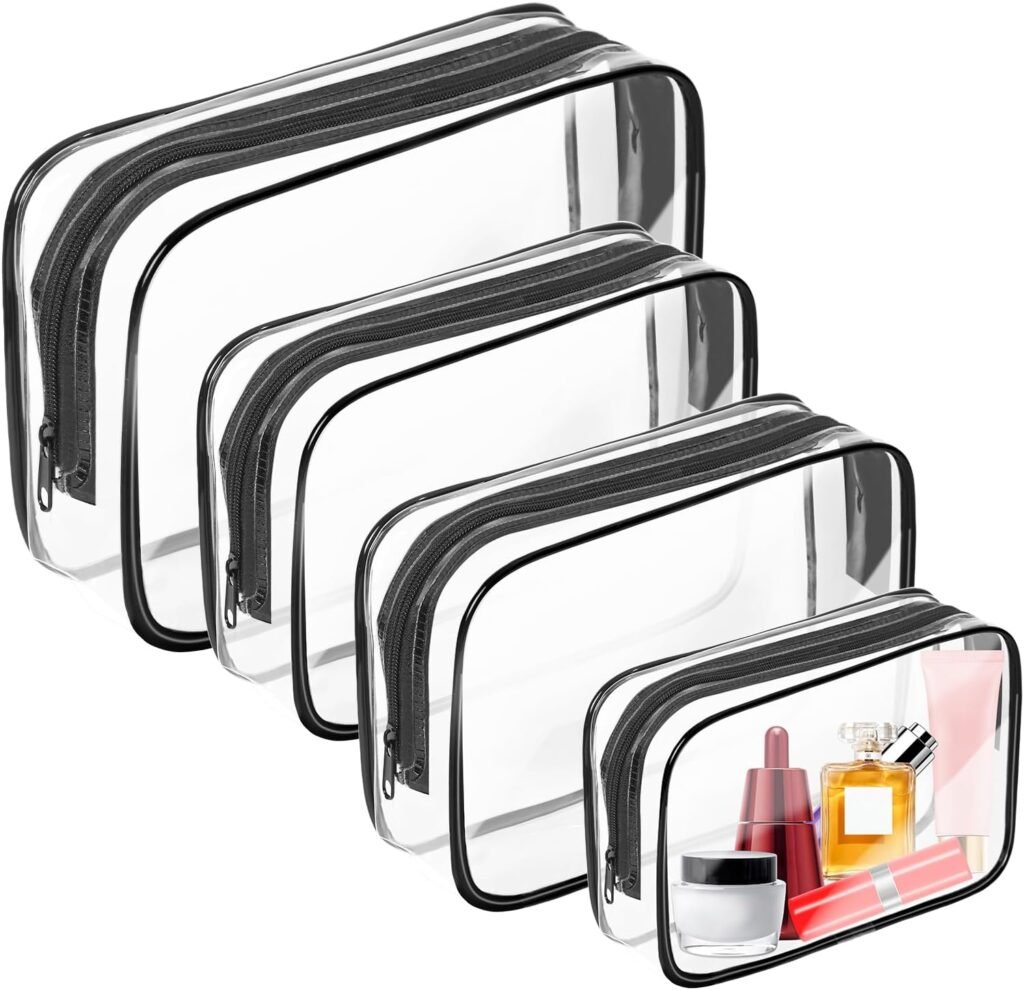
Suggested image alt: “Large all-in-one cosmetic bag versus several smaller pouches for organized beauty storage”
7. How Brands Decide Cosmetic Bag Dimensions
What factors brands consider when setting bag dimensions
Brands do not choose cosmetic bag size by guesswork. They consider target use, retail channel, product assortment, material thickness, zipper length, visual proportions, and shipping efficiency. A bag intended for a gift-with-purchase program may be designed differently from a premium travel case. A clear airport-friendly pouch will follow different dimension logic than a structured vanity case. The more specific the target use, the easier it is to define the right size.
Why retailers prefer some “standard” sizes
Retailers often favor sizes that are easy to merchandise, easy to understand online, and easy to pack. That is one reason small, medium, and large ranges keep showing up in product assortments. They create intuitive buying steps. They also reduce confusion for repeat customers. Major travel and beauty-accessory brands often anchor their assortments around these familiar size bands because customers can quickly self-sort into them.
How to set the right dimensions for custom cosmetic bags
For custom development, the smartest process is to begin with the product mix, not the sketch. Ask what the bag needs to carry: lipstick and powder, full daily makeup, or both skincare and makeup? Then ask how it will travel: inside a handbag, on a vanity, in carry-on luggage, or in checked luggage. Finally, refine the dimensions around material and shape. A structured boxy bag can often be slightly smaller than a floppy pouch while still feeling more useful.
| Dimension Decision Factor | Why It Matters |
|---|---|
| Target use | Daily carry and long travel need very different capacities |
| Product mix | Bottles, palettes, and brushes require different depth and width |
| Material and structure | Boxy and compartmentalized bags use space differently |
| Retail presentation | Balanced proportions improve shelf appeal and conversion |
| Shipping and packing | Dimensions affect freight efficiency and packaging cost |
If you are evaluating custom size options across flat pouches, structured cases, clear travel bags, or hanging styles, a manufacturing-oriented reference such as QN Bags can help you compare how dimensions, material, and structure work together in real product categories.
Suggested image alt: “Cosmetic bag dimension planning for retail and custom product development with sketches and sample sizes”
8. Explore Different Cosmetic Bag Options at QN Bags
Why comparing multiple styles helps you choose better
If you are trying to decide how big a women’s cosmetic bag should be, looking at only one style can be misleading. A clear travel pouch, a structured boxy bag, a hanging organizer, and a flat daily pouch all solve different problems. Comparing several shapes and capacities side by side makes it much easier to choose dimensions that match real use rather than visual preference alone.
Why one size rarely serves every routine
Many women need more than one kind of cosmetic bag. A small pouch may be best for daily touch-ups. A medium bag may be best for weekend trips. A large structured organizer may be best for longer travel or vanity storage. That is why a varied assortment matters both for individual buyers and for retail programs.
Where to explore more cosmetic bag types and sizes
If you want to compare different cosmetic bag sizes, structures, materials, and practical use cases, explore the bag assortment at QN Bags. It is a useful reference point for flat pouches, boxy cosmetic bags, clear travel-friendly cases, hanging organizers, and custom OEM or ODM bag development.
Clear CTA: Before you buy, make a quick list of what actually needs to fit inside your cosmetic bag. Then match the dimensions to that routine instead of choosing by appearance alone.
Explore Cosmetic Bag Sizes
Suggested image alt: “Different women’s cosmetic bag sizes and styles displayed for daily use home storage and travel”
9. Conclusion: The Best Size Depends on Use, Contents, and Structure
So, how big should a women’s cosmetic bag be? There is no single standard answer, and that is the point. The best size depends on where the bag goes, what it needs to hold, and how the bag is built. Small bags are ideal for edited daily essentials. Medium bags are the most versatile and often the most practical. Large bags are helpful for travel and fuller routines, but only when the extra capacity actually serves a purpose.
Just as important, dimensions alone do not determine usefulness. Shape, depth, compartments, and material all change how much the bag really holds. A smaller structured boxy bag can outperform a larger flat pouch. A lighter medium bag can feel more practical than an oversized premium case. The smartest choice is not the biggest cosmetic bag. It is the one that fits your real routine with the least friction.
Looking ahead, portable beauty, travel-size formats, and convenience-driven packaging will likely keep influencing what consumers expect from cosmetic bags. That means size, structure, and usability will matter even more in both personal shopping and product development. If you want to compare different cosmetic bag dimensions and styles, start with a broader assortment such as QN Bags and choose the one that matches the way you actually live, travel, and organize.
FAQ
1. What is the standard size of a women’s cosmetic bag?
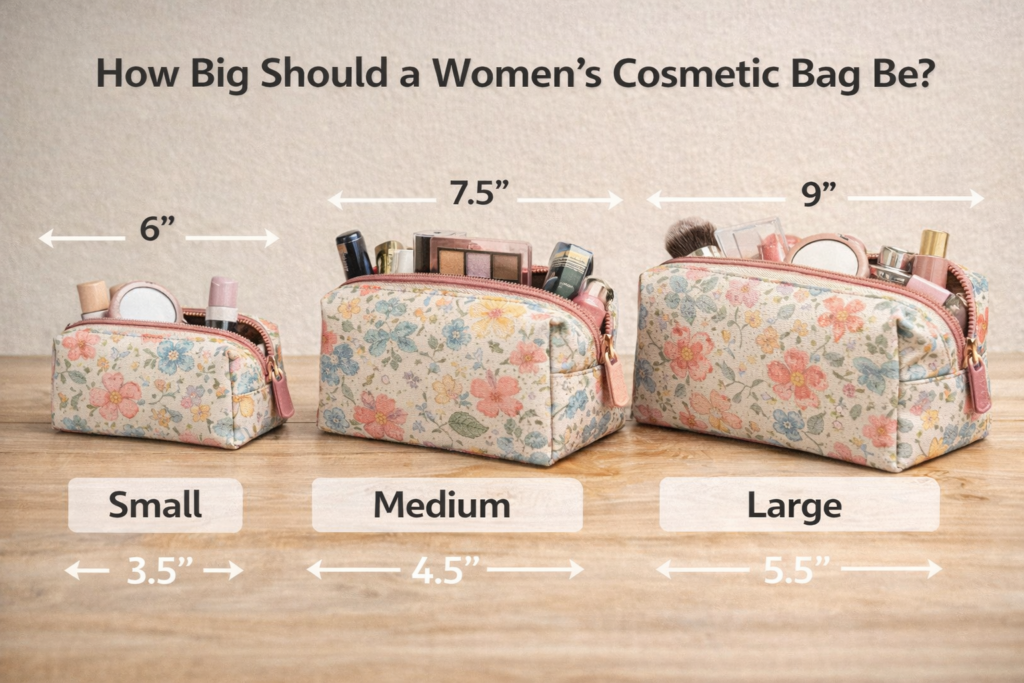
There is no single universal standard, but common retail groupings are roughly small at 6–8 inches wide, medium at 8–10 inches, and large at 10 inches and above, depending on depth and structure.
2. How big should a travel cosmetic bag be?
A medium bag is often enough for weekend travel, while larger boxy or hanging bags work better for longer trips, fuller skincare routines, or multiple product categories.
3. What size cosmetic bag fits in a handbag?
Most handbag-friendly cosmetic bags are in the small range, usually around 6–8 inches wide with moderate depth, so they do not compete with your other daily items.
4. Is a boxy cosmetic bag better than a flat one?
Not always, but boxy bags usually use space more efficiently for taller or bulkier products. Flat pouches are lighter and easier to slip into a tote or handbag.
5. How do I choose the right cosmetic bag size?
Start with what you actually carry. Then consider where the bag will live: handbag, vanity, or suitcase. After that, compare shape, depth, and internal organization instead of looking only at width.
6. Is one large cosmetic bag better than several small ones?
It depends on your routine. One large bag is simpler for travel or fuller storage, while several smaller bags can be better for separating daily carry, liquids, and home items.
7. Does TSA affect cosmetic bag sizing for travel?
Yes, for carry-on liquids. TSA allows one quart-sized bag for liquids, aerosols, gels, creams, and pastes, so travel cosmetic bag planning often works better when that rule is considered early.
Suggested external source placements for your CMS:
- Introduction / market context: Circana — U.S. beauty industry first half of 2025
- Packaging and convenience trend context: Grand View Research — cosmetic packaging market
- Retail dimension examples: BÉIS travel size guide and CALPAK cosmetics case product dimensions
- Travel capacity examples: BAGSMART hanging organizer size descriptions
- Travel rule context: TSA liquids, aerosols, and gels rule
- Real-world product-use context: InStyle makeup bag testing and reviews
Tip: Add these as contextual links or editorial notes inside your CMS rather than showing raw URLs in the article body.
Aries Gu is the founder of Q&N. With over 17 years of experience in cosmetic bag OEM/ODM source factory. He focuses on quality control, efficient communication, and on-time delivery for global cosmetic bag projects.